Selling a home in Santa Clara can move fast. With strong buyer interest and high prices, the details you handle up front can make or break your timeline and bottom line. You want a clear, local plan that reduces risk, shows your home at its best, and keeps escrow on track. This step-by-step checklist walks you from prep to closing with Santa Clara timelines, required disclosures, and proven presentation tips. Let’s dive in.
Santa Clara market at a glance
Santa Clara homes remain valuable and move quickly. As of January 31, 2026, Zillow’s city snapshot shows a typical home value near $1,704,009 and a median sale price around $1,589,583. Median days to pending hovered near 15 days. Well-priced, well-presented listings often see the most activity in the first 1 to 3 weeks.
Micro-markets matter. Location near commute corridors, local schools, and recent comparable sales all affect pricing and timing. Use current comps from a local, MLS-connected agent to set a smart list strategy.
Your week-by-week prep plan
A thoughtful pre-list plan in Santa Clara usually takes 2 to 6 weeks. Start with paperwork, then inspections, then presentation.
Week 1: Papers first
- Gather your deed, mortgage payoff details, and latest property tax bill. Request a preliminary title report through your listing team.
- If your home is in an HOA, order the resale package now. Associations have statutory timelines and fees, and the packet is required for buyers.
Week 1: Disclosures ready
- Complete California’s Transfer Disclosure Statement (TDS) and your seller questionnaires early. The TDS must be delivered as soon as practicable, and late delivery can trigger a short buyer cancellation window. Review the statute in California Civil Code Article 1.5.
- Order a Natural Hazard Disclosure report. The form is required and should be delivered early to avoid rescission risk. See Civil Code §1103.2.
- Pull permits and contractor receipts for past work. If any work was not permitted, discuss with your agent how to disclose properly.
Weeks 1–2: Pre-inspections (high value)
- Consider a general home inspection plus termite/wood-destroying organism, and roof/HVAC checks. Pre-inspections surface issues early and can reduce late-stage renegotiation.
- Some buyers or lenders request a sewer lateral scope. Confirm current city or lender practices and plan time if needed.
Weeks 2–3: Light updates and staging
- Focus on high-ROI cosmetics: declutter, deep clean, neutral touch-up paint, fresh hardware, simple lighting swaps, and curb appeal.
- Remove personal photos and collections. Create a calm, neutral canvas for buyers.
Weeks 2–4: Media and launch schedule
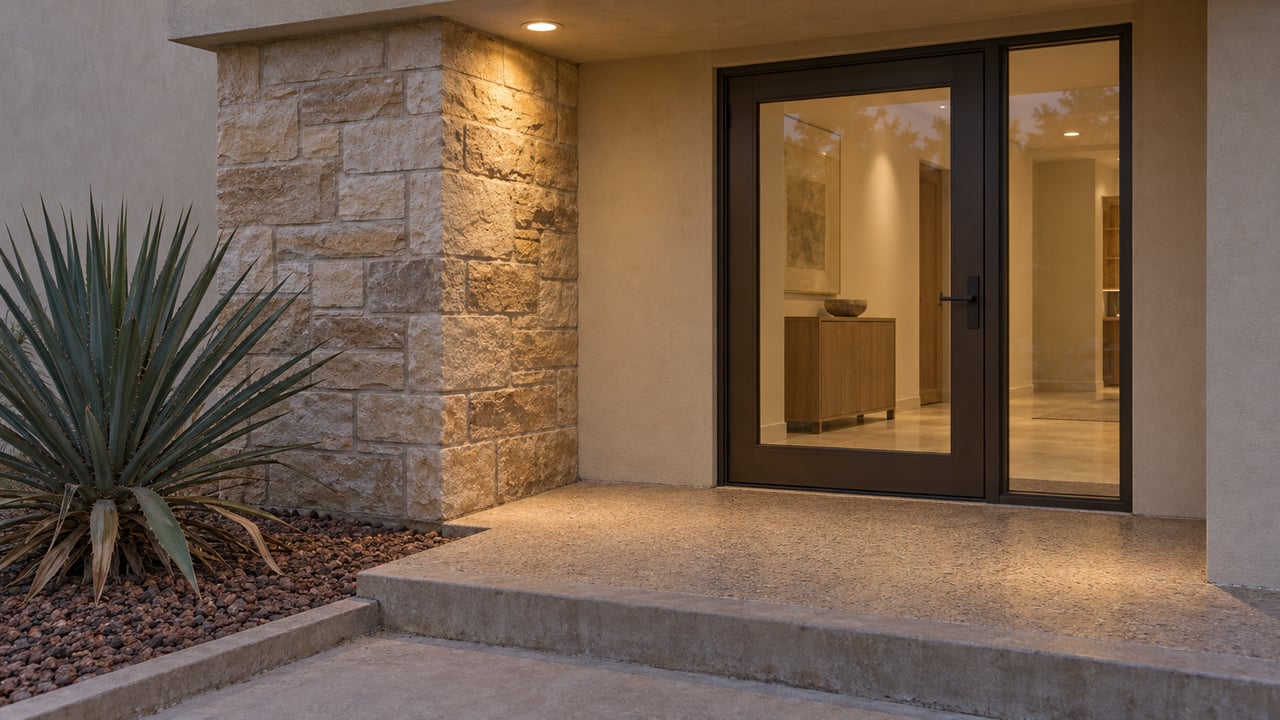
- Book professional real estate photography, including interior, exterior, and twilight. Consider a short walk-through video and a 3D tour if useful for your price point and buyer profile.
- Typical South Bay photography packages often start in the low hundreds. Local examples show entry pricing around $195 to $300+ depending on square footage and add-ons. See a South Bay photographer’s overview of services and pricing ranges at Slava Blazer Photography.
- Staging costs vary widely by home and scope. Full staging commonly ranges around $1,500 to $5,000+ in the Bay Area. Get quotes early and time installation before photos.
Required California disclosures
Plan to deliver these items early, often as part of a complete pre-listing packet. Correct timing reduces buyer cancellation risk and speeds escrow.
- Transfer Disclosure Statement (TDS). Required for most 1–4 unit residential sales. Deliver as early as practicable. Review Civil Code Article 1.5.
- Natural Hazard Disclosure (NHD). Discloses mapped hazard zones and related notices. See Civil Code §1103.2.
- Lead-based paint (federal). Applies to homes built before 1978. Provide the EPA pamphlet and required form.
- Mello-Roos and 1915 Act special taxes. If applicable, provide the statutory notices. See Civil Code §1102.6b.
- Smoke alarms and water heater strapping. Sellers certify compliance with smoke detector requirements and that the water heater is braced for earthquakes. See HSC §13113.8 and HSC §19211.
- HOA resale documents for condos/townhomes. Sellers must deliver the Davis-Stirling resale package that includes governing documents, financials, assessments, and notices of violations. Associations must provide requested documents within 10 days of a written request. See Civil Code §4530.
- Transfer taxes. Santa Clara County collects a documentary transfer tax of $0.55 per $500 of value recorded. Some cities in the county add their own taxes. The County does not list a separate City of Santa Clara conveyance tax, but confirm allocations with escrow and city finance. Review the County’s recording and fee guidance.
Presentation and marketing that works
First impressions happen online. Make every view count with clean staging and high-quality media.
Staging priorities
- If you stage selectively, start with the living room, kitchen, and primary bedroom. Industry research notes these rooms influence buyers the most. Many agents in the National Association of Realtors’ 2025 staging snapshot reported staging helped buyers visualize the home and reduced time on market. See the NAR staging snapshot.
Photography, video, and 3D tours
- Use professional wide-angle, natural-light photography with careful composition and an exterior twilight hero shot. Add a short video walk-through and a Matterport-style 3D tour for higher-priced homes or remote buyers.
- Include a floor plan and clear measurements to reduce questions and build confidence.
Local listing copy cues
- Highlight specifics that matter in Santa Clara: proximity to major employers, transit options like Caltrain or VTA, nearby parks and shopping, and thoughtful updates that support daily living. Keep language factual and clear.
Showings, offers, and escrow
The first 1 to 3 weeks after going live are often the busiest. Keep the home showing-ready and make access easy.
Showings and safety
- Vacant homes should remain clean and staged. Occupied homes benefit from a set showing schedule and simple instructions.
Reviewing offers
- Compare price, financing type, contingencies, proposed closing date, earnest money, and any requests for credits or repairs. If multiple offers arrive, structured communication helps you maximize net while keeping timelines realistic.
Contingencies, appraisal, and repairs
- A common sequence is inspections, then repair or credit negotiations, then appraisal and underwriting for financed buyers. Pre-inspections reduce surprises and support smoother negotiations.
Escrow timing and closing
- Financed transactions in Santa Clara County often close in about 30 to 45 days once you accept an offer. Cash deals can close in 7 to 14 days if title work and disclosures are ready.
- Coordinate early with escrow and title for mortgage and lien payoffs. County documentary transfer tax is collected at recording, and any city-level taxes or fees are handled per local rules.
- For condos and townhomes, the HOA resale packet will confirm assessments and balances that flow into closing figures. Associations have 10 days to deliver documents after request, so order early to avoid delays.
- Buyers usually complete a final walk-through 24 to 48 hours before closing. After funds clear and the deed records with the Santa Clara County Clerk-Recorder, you can plan key handoff and move-out.
Quick seller checklist
- Gather deed, mortgage payoff info, tax bill, permits, and HOA contacts.
- Complete TDS and NHD, lead-based paint forms if applicable, and smoke/water-heater compliance.
- Consider pre-list inspections to reduce late-stage negotiations.
- Stage priority rooms and schedule professional photography, video, and a 3D tour.
- Go live mid-week if possible and make showings easy in the first 2 weeks.
- Aim for a 30 to 45 day escrow for financed buyers and faster for cash.
Selling in Santa Clara rewards thoughtful prep and clean execution. When your paperwork is complete, your home looks magazine-ready, and your team manages timing and contingencies, you put yourself in the best position for a faster sale and a stronger net result. If you would like a simple, step-by-step plan tailored to your goals, connect with Nikole Andersen Real Estate for a complimentary market consultation.
FAQs
How long does it take to sell a home in Santa Clara?
- Many homes see peak activity in the first 1 to 3 weeks, with financed escrows commonly closing in about 30 to 45 days and cash deals faster when title and disclosures are ready.
Which disclosures are mandatory for Santa Clara home sellers?
- Most sellers must provide a Transfer Disclosure Statement, Natural Hazard Disclosure, lead-based paint disclosure for pre-1978 homes, smoke alarm and water-heater bracing certifications, and HOA resale documents if applicable.
What is the HOA resale package and timeline in Santa Clara?
- For condos and townhomes, the Davis-Stirling resale packet includes governing documents, financials, assessments, and violations, and associations must provide requested documents within 10 days of a written request.
Do I need to stage my home to sell in Santa Clara?
- Staging is optional but often helpful, especially in the living room, kitchen, and primary bedroom, and industry research suggests staging can reduce time on market and improve buyer perception.
Who pays Santa Clara County transfer taxes at closing?
- The documentary transfer tax is collected at recording and is often allocated by local custom through escrow, and while the County sets a base rate, verify any city-level taxes with your escrow officer and the city.