If your home hits the market looking just "fine," buyers in St. George may keep scrolling. With median sale prices in the mid-$500,000s, homes taking roughly 90 to 108 days to sell, and plenty of active listings for buyers to compare, a strong first impression matters more than ever in this market. The good news is that the right prep work can help you protect early momentum, reduce avoidable negotiation issues, and launch with confidence. Let’s dive in.
Why prep matters in St. George
Recent local market data shows St. George is giving buyers options. Redfin's St. George housing market data and Realtor.com's local market snapshot point to a market where homes are not disappearing in a weekend.
That means preparation is not just about making your home look nice. It is about helping your listing stand out quickly, showing buyers that the property has been cared for, and reducing the chance that your home sits longer than it should.
In a market with more choice, buyers tend to compare condition, presentation, and price side by side. If your home feels clean, well-maintained, and photo-ready from day one, you give yourself a better chance to capture attention before the listing starts to feel stale.
Start with repairs and disclosure readiness
Before you think about photos or staging, focus on the basics buyers notice right away. Utah's Real Estate Purchase Contract requires sellers to disclose known defects that materially affect value, complete a seller property condition disclosure, and deliver the property broom-clean and free of debris and personal belongings.
That makes your pre-listing repair phase more than cosmetic. It helps you spot issues early, answer buyer questions clearly, and avoid having small problems turn into larger negotiations once you are under contract.
What to fix before listing
For most St. George sellers, the highest-value updates are the simple ones that create a sense of care and function. Think visible, confidence-building fixes rather than expensive remodeling projects.
Focus on items like:
- Paint touch-ups and scuffed walls
- Cracked or missing caulk
- Broken hardware or loose handles
- Sticky doors or drawers
- Burnt-out light bulbs
- Carpet cleaning
- Deep cleaning kitchens and baths
- Removing debris and personal items
These details may seem small, but together they shape how buyers read the entire home. If several minor issues show up at once, buyers often assume bigger maintenance problems may be hiding too.
Consider a pre-list inspection
A pre-list inspection can help uncover concerns with the roof, foundation, plumbing, electrical, heating and cooling, water source, and utilities before a buyer does. That gives you time to decide what to repair, what to disclose, and how to price or position the home more strategically.
If your home has never been tested for radon, this is also worth considering. The Utah Department of Environmental Quality notes that radon can affect transactions statewide, and about 30% of homes tested in Utah have been above the EPA action level.
Pre-list information does not mean you have to fix everything. It means you can move forward with fewer surprises and better documentation.
Declutter first, then deep clean
A clean home feels larger, brighter, and better maintained. It also sets the foundation for staging and photography, which matter a great deal when most buyers begin their search online.
The best order is simple: declutter first, then deep clean. If you clean before removing extra items, surfaces and rooms still tend to feel crowded.
What buyers want to see
Your goal is not to strip the home of personality. Your goal is to make it easier for buyers to notice the space itself.
Before going live, aim to:
- Clear countertops and oversized furniture
- Remove excess decor and personal photos
- Organize closets, pantries, and storage areas
- Clean light fixtures, windows, floors, and baseboards
- Simplify bathroom and kitchen surfaces
- Store pet items, cords, and daily clutter
According to NAR's listing photo guidance, more than 90% of buyers search for homes online, and 85% say photos are the most important factor in deciding which homes to view. A spotless home, balanced lighting, and fewer distractions can directly affect whether buyers book a showing.
Stage the rooms that matter most
If you are wondering whether staging is worth it, the short answer is yes, especially when done strategically. The 2025 NAR Profile of Home Staging found that 83% of buyers' agents said staging made it easier for buyers to visualize a home as their future residence.
The same report found that 30% of sellers' agents saw slight decreases in time on market when a home was staged. In a St. George market where buyers have choices, that kind of edge matters.
Which rooms to prioritize
If your budget is limited, do not try to stage every room perfectly. Put your effort where buyers tend to focus first.
NAR data points to these priority spaces:
- Living room
- Primary bedroom
- Kitchen
- Dining room
These spaces tend to carry the emotional weight of the home. They help buyers picture daily life, entertaining, and how the home functions.
Staging on a modest budget
Professional staging can be a smart investment, and NAR reported a median spend of $1,500 for sellers who used a staging service. But even if you are keeping costs tight, you can still improve presentation.
Try these practical staging moves:
- Remove extra chairs or bulky pieces to open the room
- Use light, neutral bedding and simple pillows
- Add fresh towels in bathrooms
- Keep dining tables lightly styled, not overcrowded
- Limit kitchen items to a few clean, intentional accents
- Let natural light in wherever possible
The goal is calm, clean, and functional. Buyers should feel like the home is ready for them, not like they are walking through someone else's storage space.
Make photos and video count
Once the home is repaired, cleaned, and staged, it is time to create marketing assets. This is not the step to rush.
Because so many buyers start online, your listing media often creates the first showing. If the photos feel dark, cluttered, or inconsistent with the in-person condition, you may lose interest before buyers ever visit.
Photo-ready details that matter
NAR recommends making sure the home is spotless, light fixtures are clean, lighting is balanced, and distracting elements are removed. That includes easy-to-miss issues like a television dominating the background or an open toilet lid in a bathroom shot.
This is also why timing matters. Schedule professional photos, video, or a virtual tour only after the home is truly ready, then list it while it still shows at its best.
For sellers who want premium presentation, this step can make a meaningful difference. Well-planned media helps buyers connect with the home before they ever walk through the door.
Focus on St. George curb appeal
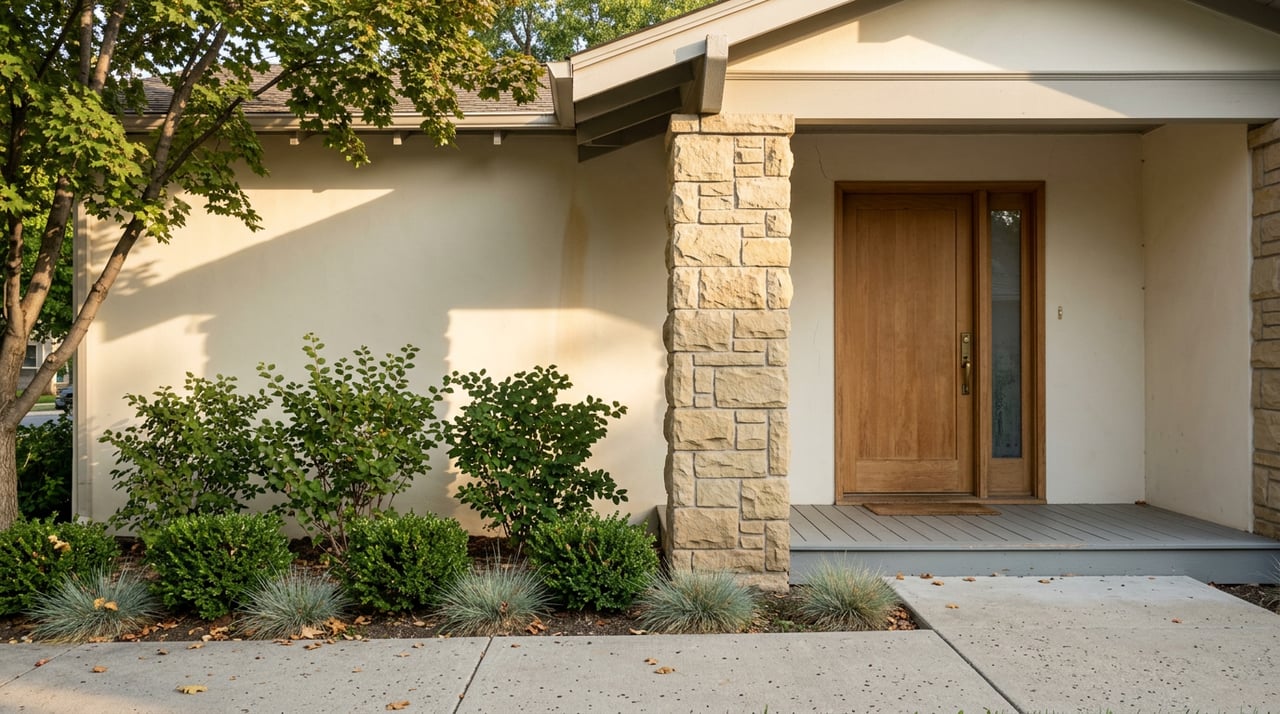
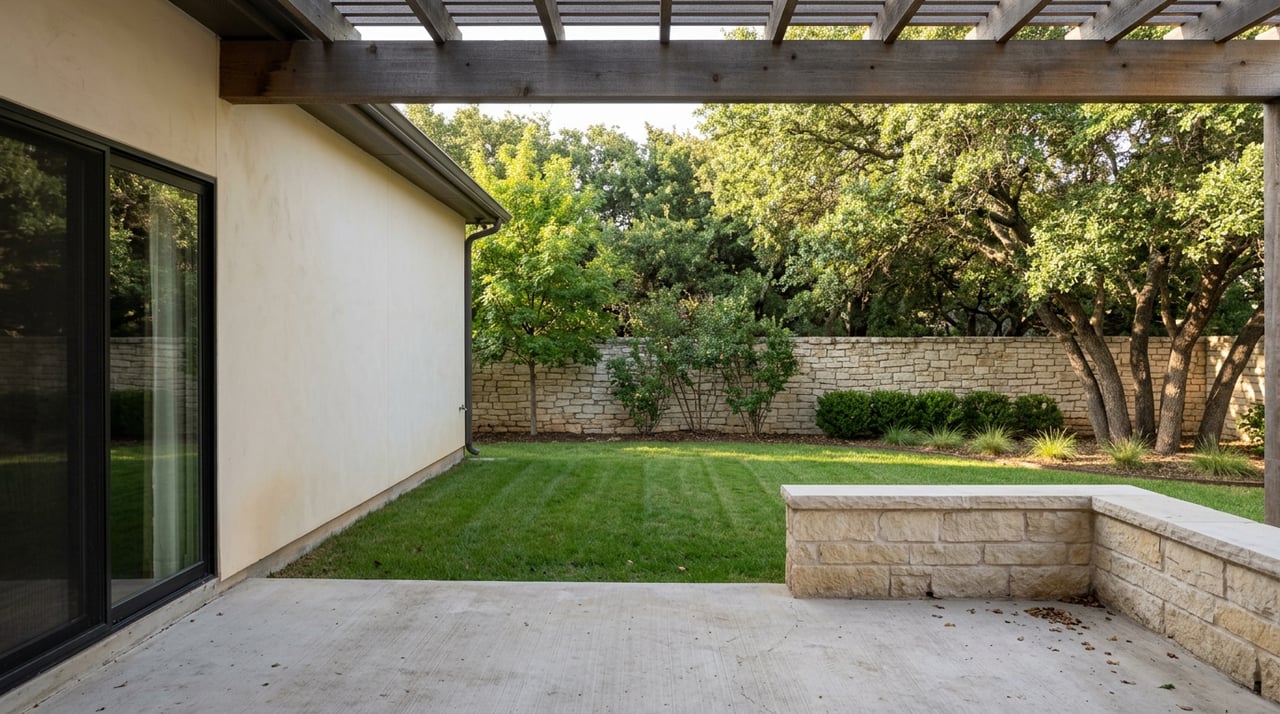
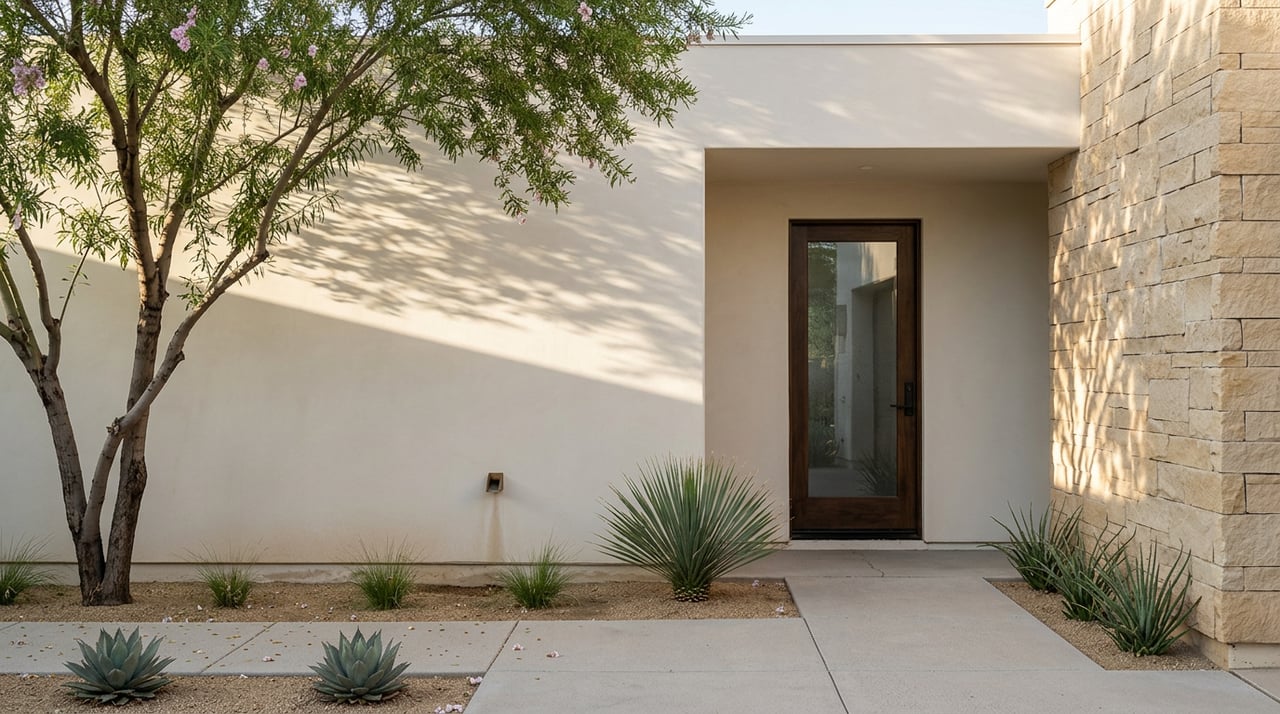
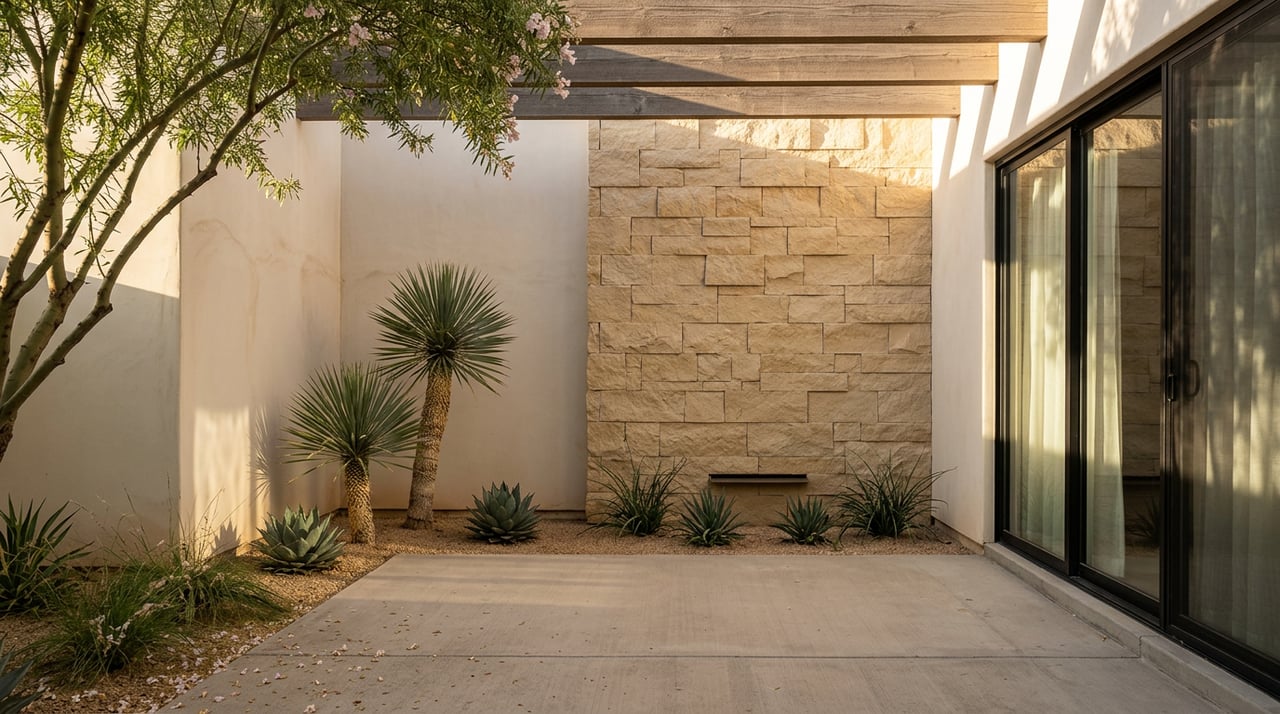
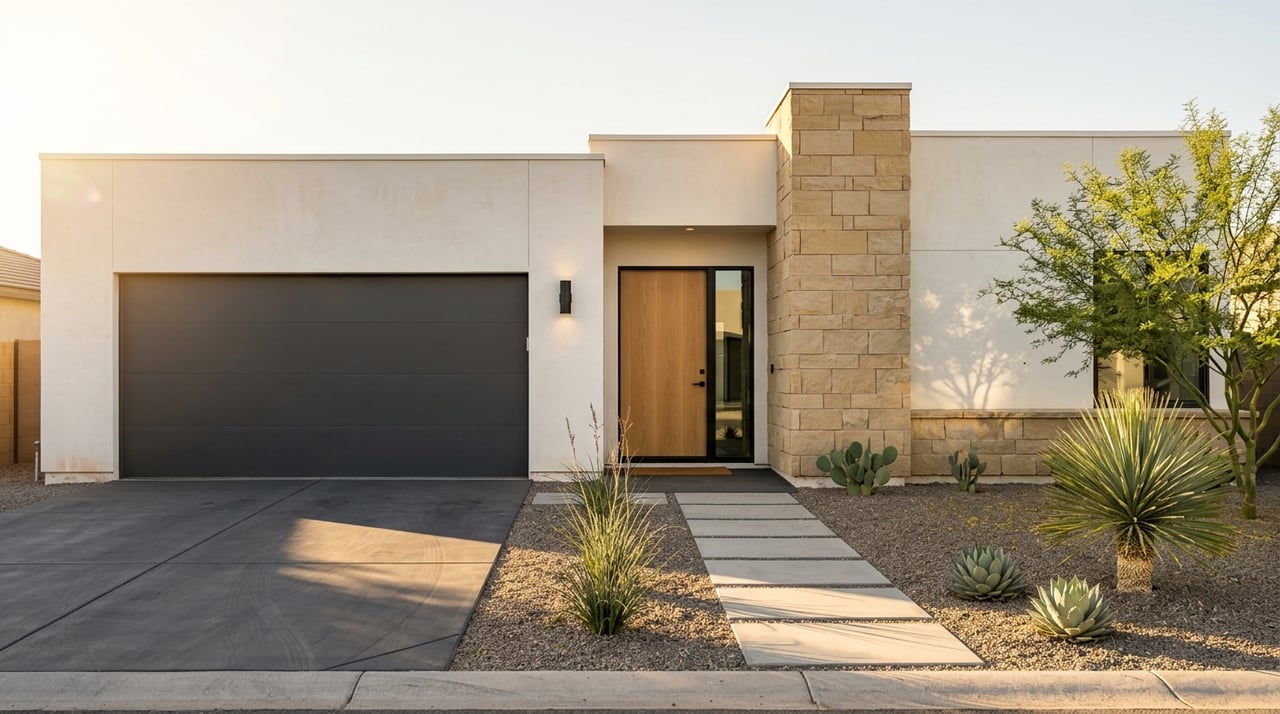
St. George has its own visual context. Desert landscaping, hardscape, irrigation, and outdoor living areas all influence how your home feels from the street and in photos.
You do not need a last-minute landscape overhaul. In most cases, simple maintenance has the biggest impact.
Exterior updates worth doing
Washington County points homeowners toward Firewise landscaping resources, and local water-wise landscape guidance supports practical upkeep. For sellers, that translates into a few smart priorities before listing.
Focus on:
- Trimming overgrown vegetation
- Removing weeds and yard debris
- Checking irrigation for proper function
- Cleaning walkways, patios, and entry areas
- Refreshing the front door area if needed
- Making sure outdoor spaces look tidy and usable
In a desert setting, buyers often respond well to yards that look maintained, water-wise, and easy to care for. A clean front approach and healthy-looking landscaping usually do more for curb appeal than expensive last-minute changes.
Get your documents organized early
Cosmetic prep is only half the job. Document readiness can be just as important, especially if your property has features or ownership details that may come up during due diligence.
The Utah REPC specifically references items such as HOA information, tenant occupancy, short-term rental history, and water rights or water shares where applicable. Getting these materials organized before listing can help prevent delays once interest picks up.
Paperwork to gather before launch
Depending on your property, useful documents may include:
- HOA information and rules
- Utility details
- Repair records and receipts
- Inspection reports
- Radon test results
- Tenant-related information if occupied
- Water rights or water share documentation, if applicable
When buyers ask questions, clear answers build trust. Being organized also helps your listing move more smoothly from showing to contract.
A smart timeline before you go live
One of the most common seller questions is how much lead time to allow. In most cases, giving yourself enough time to prepare is better than rushing to market with a home that is only halfway ready.
A sensible launch sequence looks like this:
- Declutter and deep clean
- Complete minor repairs
- Handle any pre-list inspection or testing
- Stage the most important rooms
- Schedule professional photos, video, or virtual tour
- List the home while it is still in top showing condition
This approach helps you avoid doing work out of order. It also creates a cleaner, more confident launch, which can matter a lot in a market where buyers have time to compare options.
What you can leave alone
Not every imperfection needs to be fixed before you sell. If you are preparing for a near-term move, it often makes sense to skip major remodels unless there is a clear reason to address them.
Instead of chasing every possible upgrade, focus on the items that improve presentation, function, and buyer confidence. Cleanliness, maintenance, lighting, and straightforward disclosures often deliver more practical value than a costly renovation right before listing.
A good rule is simple: fix what feels broken, distracting, or likely to raise questions. Be thoughtful about anything else.
Prep for the sale you want
A successful St. George sale usually starts well before the sign goes in the yard. In this market, thoughtful preparation helps your home stand out, supports stronger first impressions, and reduces the chance that preventable issues slow you down later.
If you want a clear plan for pricing, preparation, staging, and launch timing, Nikole Andersen Real Estate offers direct, high-touch guidance designed to help sellers present their homes at their best and move through the process with confidence.
FAQs
What should I fix before listing a home in St. George?
- Focus on visible, confidence-building issues like paint touch-ups, broken hardware, sticky doors, caulk, burnt-out bulbs, carpet cleaning, and deep cleaning rather than major last-minute remodels.
Is staging worth it for a St. George home sale?
- Yes. NAR reports that 83% of buyers' agents said staging helps buyers visualize a home, and staged homes may see slightly less time on market.
Which rooms matter most when staging a home for sale?
- The living room, primary bedroom, kitchen, and dining room are the top spaces to prioritize if you want the biggest impact from staging.
Should I get a pre-list inspection before selling in St. George?
- A pre-list inspection can help you identify roof, foundation, plumbing, electrical, HVAC, water source, and utility issues before buyers do, which may reduce surprises during negotiation.
How should I prepare the exterior of my St. George home?
- Prioritize simple maintenance such as trimming vegetation, removing weeds, checking irrigation, and cleaning patios, walkways, and the entry so the home looks tidy and photo-ready.
What documents should I gather before listing a St. George property?
- Depending on the property, gather items like HOA information, repair records, inspection reports, radon results, tenant details, and any water rights or water share documentation.