Thinking about life in Washington, Utah? You are not alone. This fast-growing city has become a practical option for people who want newer housing, easy access to parks and trails, and everyday conveniences that keep getting better. If you are considering a move, this guide will help you understand what living in Washington feels like today and what to expect from daily life there. Let’s dive in.
Washington Is Growing Fast
Washington is one of the faster-growing cities in southwest Utah. According to the U.S. Census Bureau QuickFacts for Washington city, the city’s estimated population reached 35,501 as of July 1, 2024, which is a 26.8% increase from 2020.
That kind of growth often changes how a place feels. In Washington, it means more housing, more services, and a community that is still actively taking shape. It also means you may find a mix of long-established areas and brand-new neighborhoods within the same city.
Housing Feels Newer and Still Expanding
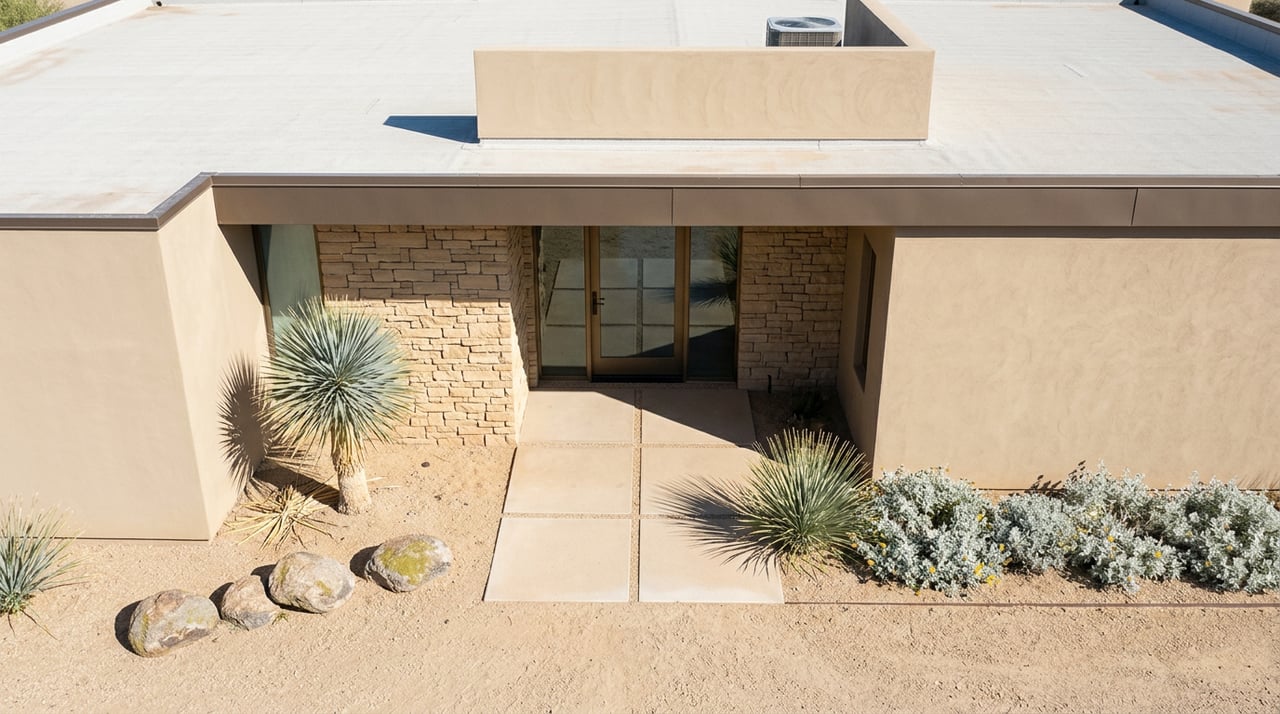
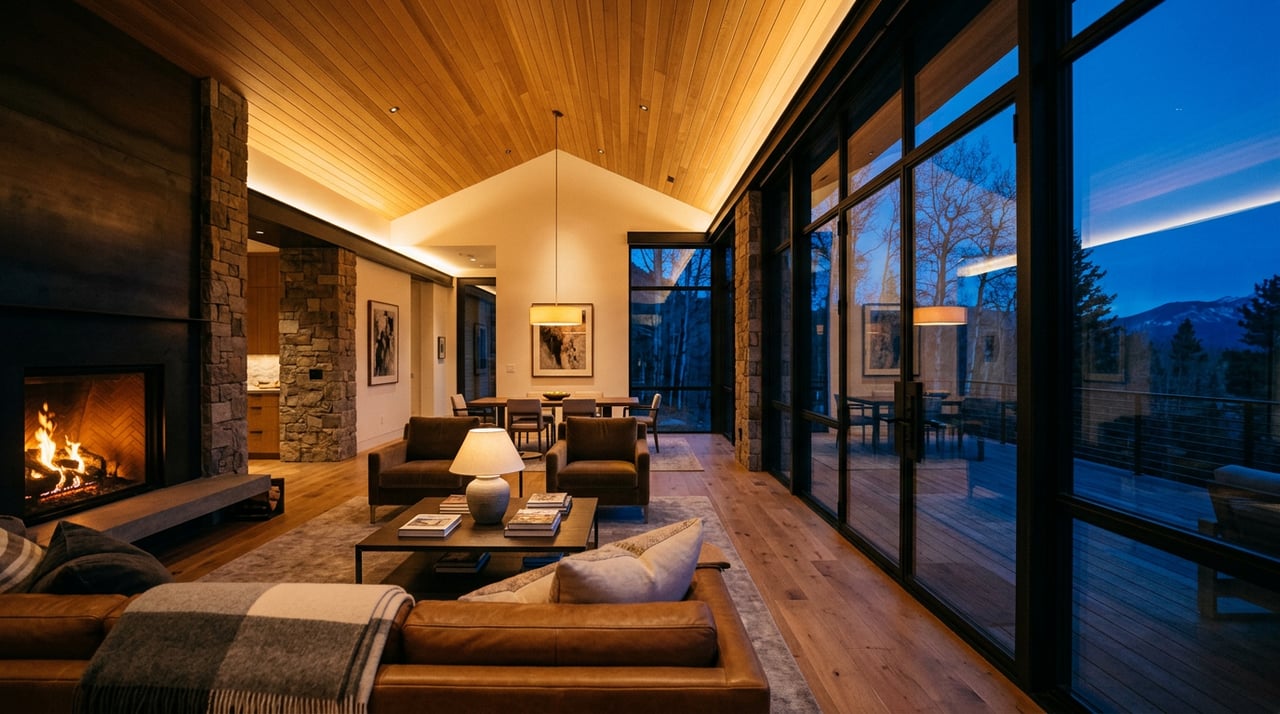
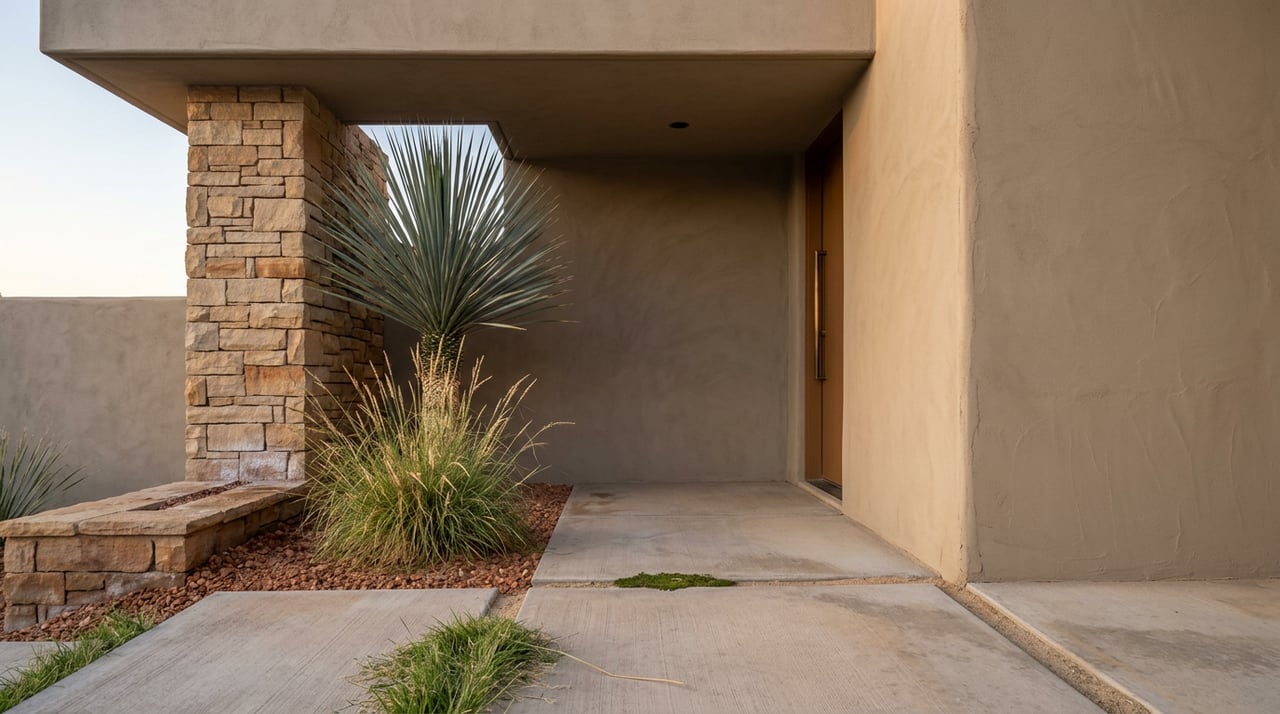
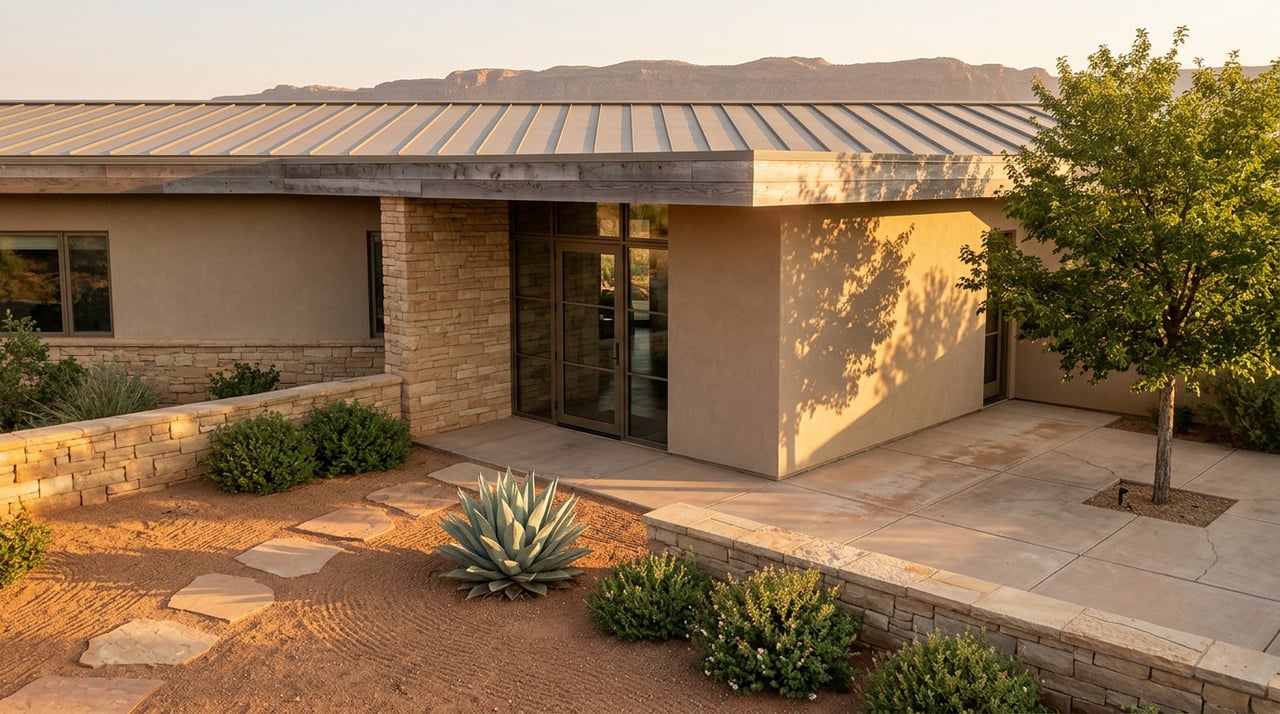
One of the biggest things you notice about Washington is how much of the housing stock feels recently built. The city’s retail profile reports that Washington added more than 3,300 homes between 2017 and 2021, with continued development across the city.
That growth has created a housing pattern that leans heavily toward newer subdivisions. The same city materials reference master-planned areas such as Sienna Hills, continued development in Coral Canyon, and some higher-density multifamily housing near Exit 13.
At the same time, Washington also has older downtown neighborhoods that the city has identified as needing upgrades to match the standards of newer parts of town. In practical terms, that means your home search may include a range of options, from established areas near the older core to newer communities with more recently built homes and amenities.
Homeownership Is a Big Part of the City
Washington has a homeowner-heavy profile. The Census Bureau reports that 75.3% of housing units are owner-occupied, which points to a market where many residents have put down roots.
The same data shows that 26.1% of residents are under 18. That does not define any one household, but it does suggest a city with a strong presence of long-term residents and households at different life stages who are looking for stability, space, and access to community amenities.
For you as a buyer, that can translate into neighborhoods that feel established even when the homes are newer. For you as a seller, it can point to demand from people looking for a place that supports everyday living, not just a short stop in the region.
Parks and Recreation Are Part of Daily Life
If you value outdoor access, Washington offers a lot for everyday recreation. The city’s parks and recreation department says Washington has many parks, with most offering reservable pavilions, while city trails are open to walkers, joggers, and bicycles.
Several parks stand out because they are tied directly to newer residential growth. Green Spring Park includes pickleball courts, a splash pad, a playground, a walking trail, and shaded gathering space. Sienna Hills Park includes a splash pad, playground, basketball area, pavilions, and walking trail.
Other options add even more variety. Shooting Star Park has a trail loop, basketball, and pickleball, while Sunrise Valley Park offers trails, pickleball, basketball, and river-adjacent open space. These are the kinds of amenities that can make a neighborhood feel more usable day to day, especially when you want recreation close to home instead of a long drive.
Indoor Recreation Adds Year-Round Options
Washington is not only about outdoor space. The Washington City Community Center gives residents access to indoor recreation throughout the year, including an aquatics center with an eight-lane competition pool, leisure pool, lazy river, slide, and splash pad.
That matters because it adds flexibility to your routine. Whether you want lap swimming, family recreation, or another indoor option during hotter or cooler months, the city has amenities that support more than just seasonal outdoor activity.
The Recreation Network Is Still Growing
Washington’s recreation system is also still expanding. In March 2026, the city reported that Washington Wheels Park, a 16-acre skate, BMX, and pump-track facility, was nearing completion.
That tells you something important about life in Washington today. This is not a fully built-out city that has stopped investing in itself. It is still adding amenities, which can be a positive if you want to live in a community that continues to improve over time.
Daily Errands Are Easier Than They Used to Be
A common question for people considering Washington is whether you need to leave town for basic shopping and services. Increasingly, the answer is no. The city’s business listing shows grocery, retail, dining, personal-care, auto, and service businesses along the Telegraph and Red Cliffs corridors, including Natural Grocers, Dollar Tree, McDonald’s, Great Clips, Best Buy, and Starbucks.
That means many day-to-day needs can now be handled locally. Grocery runs, coffee stops, hair appointments, and a range of basic retail errands are more convenient than they were in the past.
Washington Still Connects to the Larger Region
Even with more local services, Washington remains part of the broader St. George growth corridor. According to the city’s retail profile, Washington has three Interstate 15 exits and more than 170,000 people live within a 30-minute drive.
In practical terms, that means Washington functions as both its own city and part of a larger regional network. You can often stay local for routine needs, while still having access to the wider shopping and entertainment options available across the St. George area.
The city has also said that residents historically went to St. George for shopping and entertainment, but that pattern is changing as new restaurants, an incoming Winco Foods, the Sienna Hills Auto Mall, and the OneHealth medical clinic come online. That points to a city that is becoming more self-sufficient without losing its regional connectivity.
The City Layout Feels Spread Out
Washington does not read like a city built around one dominant downtown. Because it sits along major growth corridors and freeway access points, it tends to feel more spread out, with activity distributed across different parts of the city.
That can shape your experience of daily life. Depending on where you live, you may spend more time driving between neighborhoods, parks, shopping areas, and services than you would in a more compact town center.
At the same time, the city is working toward a more walkable mixed-use downtown district. That suggests Washington’s identity is still evolving, with newer development patterns coexisting alongside plans for a stronger central core.
What Living in Washington Feels Like Right Now
Today, Washington feels like a city in transition, but in a productive way. It offers many of the practical benefits people want, including newer neighborhoods, strong park access, growing local services, and year-round recreation.
It also still feels like a place that is building toward its next chapter. Some areas are polished and new, some are still filling in, and some older parts of the city are working to catch up with newer development.
For many buyers, that mix is part of the appeal. You get the benefit of a growing community with an increasingly strong local lifestyle, while staying connected to the larger southwest Utah region.
Who Washington May Appeal To
Washington may be worth a closer look if you want:
- A fast-growing city with a large share of owner-occupied housing
- Newer subdivisions and master-planned community options
- Parks, trails, pickleball, splash pads, and recreation close to home
- More local shopping and services than in years past
- Access to the wider St. George region without living in its urban core
Your ideal fit will depend on your priorities, including housing style, commute patterns, and how important nearby parks or local retail are to your daily routine.
If you are weighing a move to Washington or comparing it with other Utah communities, working with a brokerage that understands destination moves, local market dynamics, and remote-friendly buying support can make the process much easier. Nikole Andersen Real Estate offers direct, hands-on guidance for buyers and sellers who want clear communication and experienced support from start to finish.
FAQs
What is Washington, Utah like today for homebuyers?
- Washington, Utah offers a fast-growing housing market with many newer subdivisions, a high rate of owner-occupied housing, strong park access, and expanding shopping and service options.
Is Washington, Utah still growing?
- Yes. The U.S. Census Bureau estimates Washington’s population at 35,501 as of July 1, 2024, up 26.8% from 2020.
Does Washington, Utah have good parks and recreation?
- Washington has an extensive park and trail system, plus indoor recreation at the Washington City Community Center, including aquatics facilities and year-round activity options.
Do residents of Washington, Utah still go to St. George for errands?
- Residents can increasingly handle routine errands in Washington, though the larger St. George area still provides broader shopping and entertainment options.
What kinds of neighborhoods are in Washington, Utah?
- Washington includes a mix of newer subdivisions, master-planned areas such as Sienna Hills, ongoing development in Coral Canyon, some multifamily housing near Exit 13, and older neighborhoods near the downtown core.