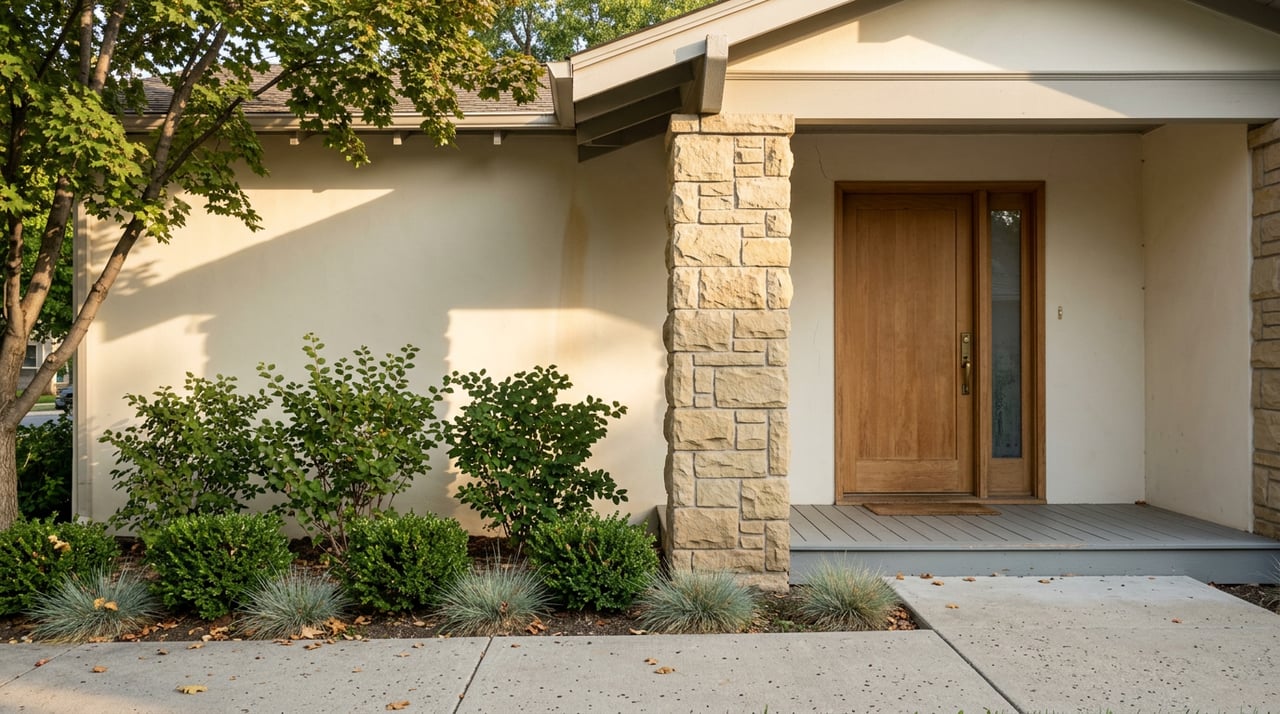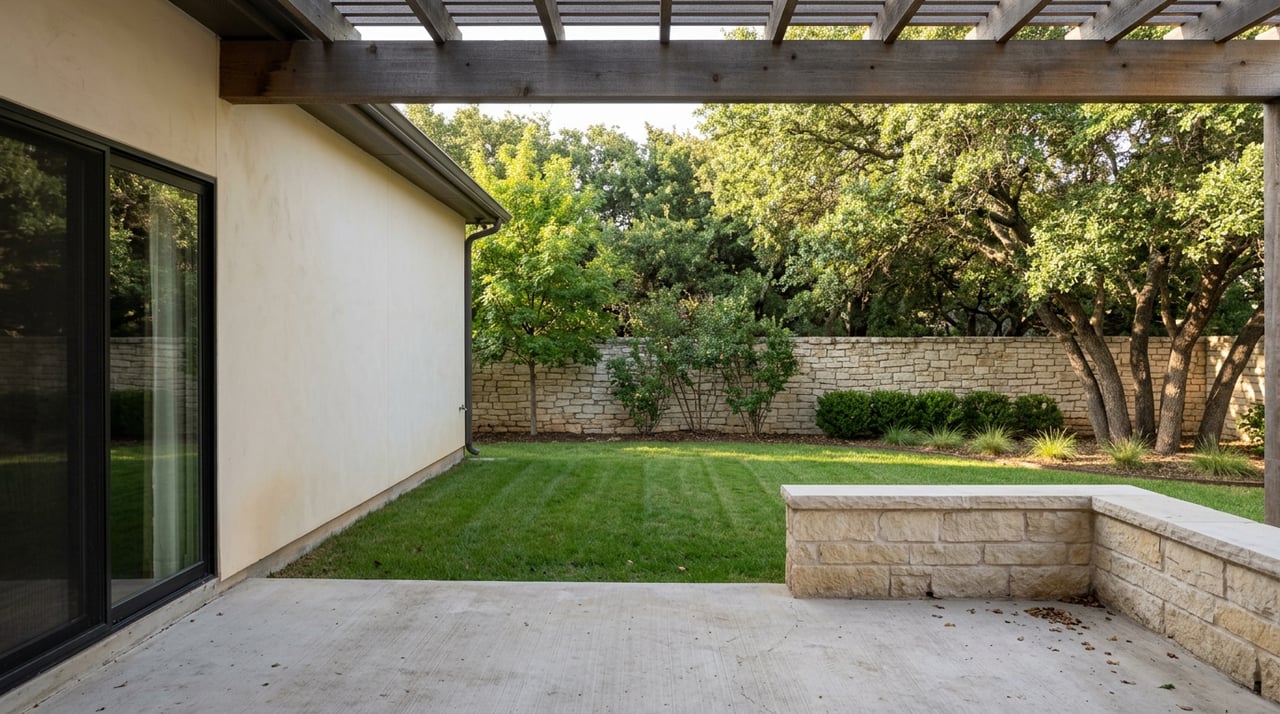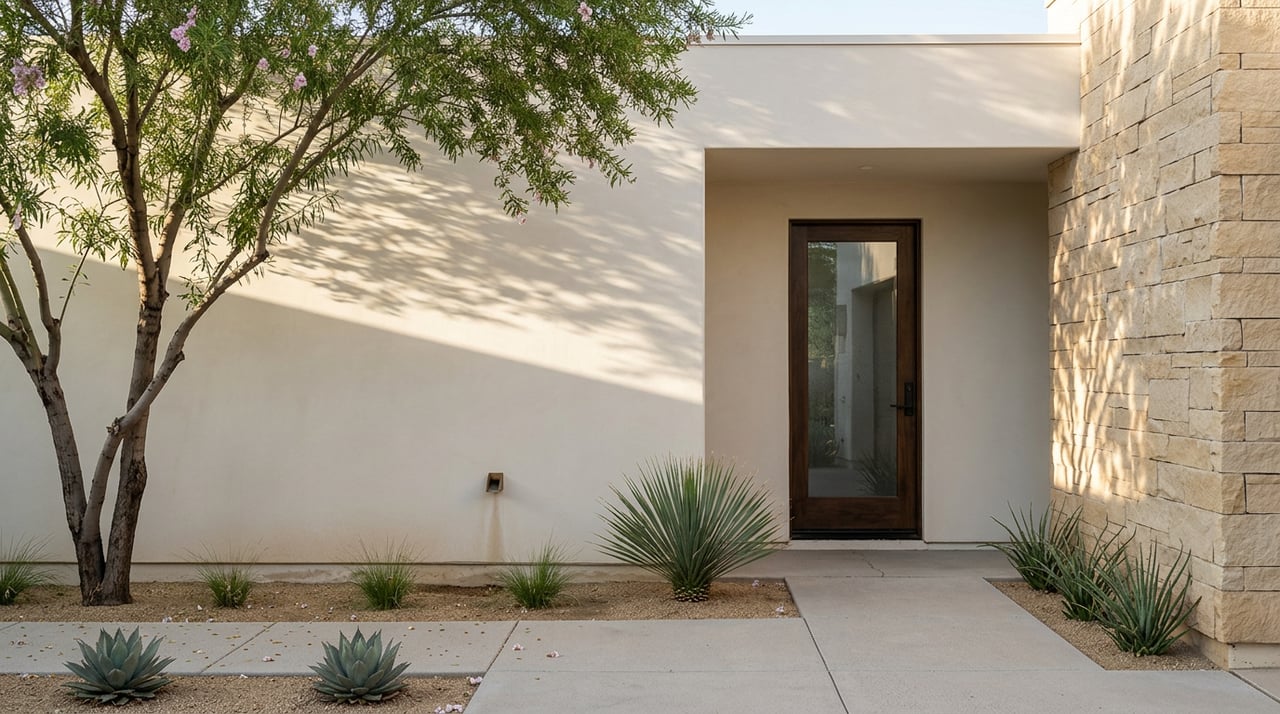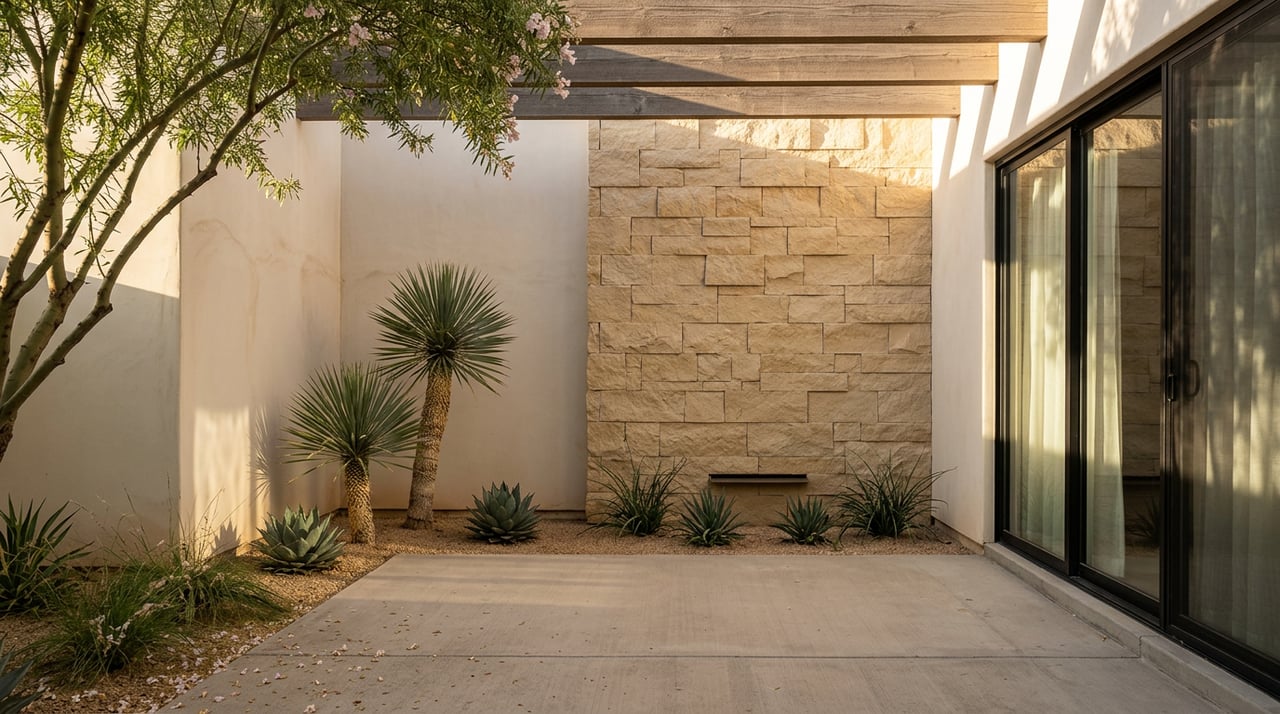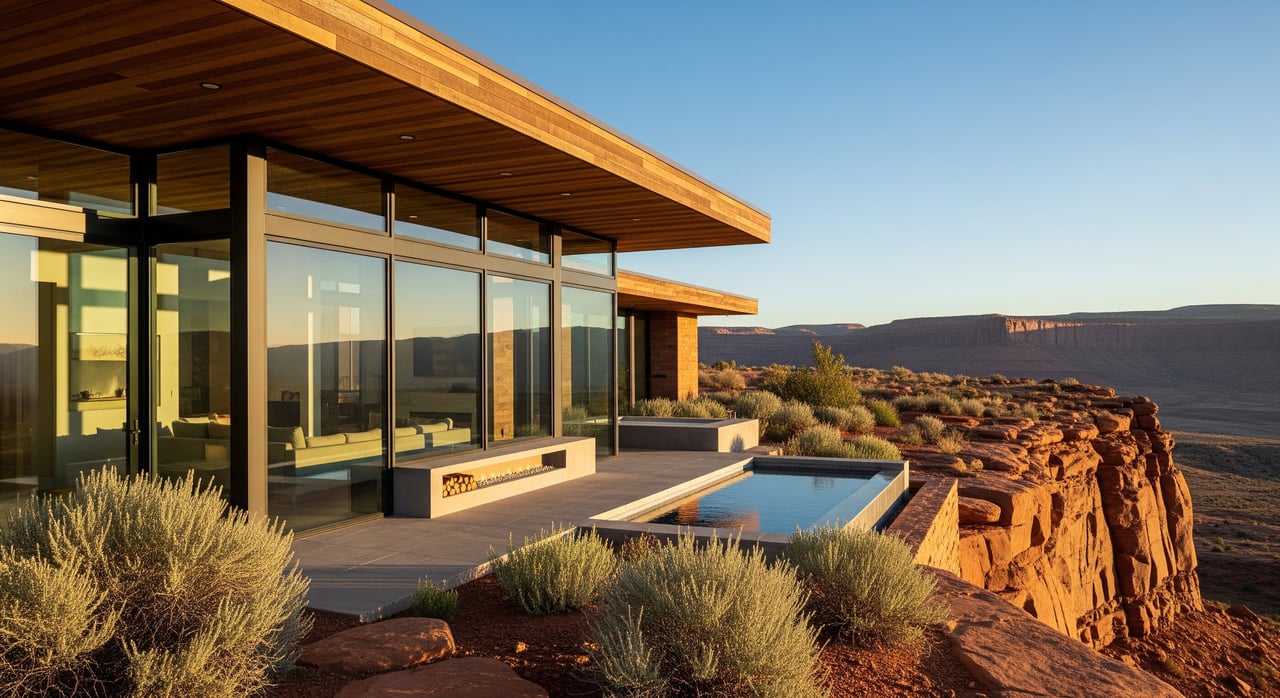
Picture a red rock sunrise, quiet mornings on the patio, and trailheads minutes from your door. If you’re weighing a Moab second home, you’re not alone. The area’s outdoor lifestyle and small-town feel attract many out-of-state buyers, but owning here comes with unique rules, logistics, and seasonal realities. This guide walks you through what matters most, from short-term rental regulations and utilities to travel access, maintenance, and financing basics. Let’s dive in.
Why buyers choose Moab
Moab sits beside world-class public lands, including Arches National Park and Canyonlands National Park. You get access to hiking, biking, off-roading, climbing, and river trips, plus a friendly downtown with shops and restaurants. Many buyers want a desert base they can enjoy throughout the year and share with family and friends.
Inventory ranges from downtown condos and townhomes to single-family homes in the city and rural cabins or acreage in Grand County. Seasonality and local policy can influence pricing and rental demand, so it pays to watch market updates and local regulation changes. If you plan to rent when you’re not in town, make regulatory due diligence your first step.
Property types and locations
You have three common paths:
- Downtown and near-downtown condos or townhomes. These offer walkability, quick drives to Arches, and generally better broadband. Lots are smaller and you’ll see more in-season traffic.
- Single-family homes within Moab city limits. You’ll find a mix of older ranch-style homes and newer infill. City utilities are a plus for low-maintenance ownership.
- Rural homes and cabins in Grand County, including Spanish Valley and other unincorporated areas. Expect larger lots, privacy, and big views. Tradeoffs include longer drives, potential reliance on wells and septic, variable cell service, and higher wildfire awareness.
Proximity to US-191 and park entrances affects traffic, especially in spring, fall, and summer holidays. If you prefer quiet, look closely at how a location handles peak-season flow.
Zoning, HOAs, and permits
Rules differ between the City of Moab and unincorporated Grand County. Before you tour, confirm the jurisdiction and zoning for any address. Review building codes, water and septic requirements, and any overlay districts that could limit use.
- City rules and departments are listed on the City of Moab site.
- County zoning, assessing, and permitting resources are on the Grand County, Utah site.
If a property sits in an HOA, read the CC&Rs closely. HOAs may limit rentals, set design standards, or establish occupancy and parking rules.
Short-term rentals and taxes
If you plan to offset costs with short-term rentals, check STR rules first. Legality depends on where the property sits, the zoning, current caps or moratoria, and whether an HOA allows rentals. Operators often need a business license or STR permit, must follow occupancy and parking rules, and must collect and remit lodging taxes.
- For business licensing and STR questions, start with the City of Moab and Grand County sites.
- For state lodging tax registration and rules, see the Utah State Tax Commission.
Ask sellers for any existing STR permit history, inspection records, and past tax remittances. Policies change, so verify current requirements before you make an offer.
Travel and seasonality
Moab’s main highway is US-191, which connects north to I-70. Commercial flights vary by carrier and season at the local airport, and many visitors fly into Grand Junction, Salt Lake City, or Denver and drive in. Spring and fall are peak seasons, and summer holidays can be busy.
- Check road conditions and closures with UDOT’s traffic site before you drive.
- Review seasonal park advisories on the national park pages linked above.
If you plan to host guests, clarify driveway access, parking, and any winter plowing or snow melt responsibilities in your management plan.
Maintenance realities for remote owners
The high desert climate is beautiful and rugged. Dust, UV exposure, and temperature swings can speed up wear on roofs, decks, exterior paint, windows, and vehicle finishes. Pest control is often part of routine care. If your property uses a well or septic, schedule regular inspections, pump septic tanks as recommended, and winterize exposed plumbing in unheated spaces.
Landscaping should prioritize drought-tolerant or native plants with smart irrigation. In rural settings, plan for defensible space and brush management to reduce wildfire risk.
Consider smart-home tools for peace of mind when you’re away:
- Smart thermostats for freeze protection and energy savings.
- Water-leak sensors and remote shutoff valves.
- Security cameras and monitored alarm systems.
- Smart locks for caretaker and guest access control.
If you will not be in Moab often, a local property manager or caretaker can handle monthly check-ins, cleaning, vendor access, and emergency response. Ask for references and clear service contracts.
Utilities and connectivity
In-town properties usually have municipal water and sewer, plus more broadband options. Rural locations may use private wells and septic and can rely on fixed wireless or satellite internet. Cell coverage varies by carrier and terrain. Verify utility availability and internet speeds for the specific address, not just the neighborhood.
If you plan to work remotely, do a live speed test during a showing or request one from your agent or property manager. Confirm backup connectivity options, such as a second provider or mobile hotspot coverage.
Financing, taxes, and insurance
Second-home loans often require larger down payments and may carry slightly higher rates than primary residences. Lenders will review debt-to-income and cash reserves. If you expect rental income, understand that some lenders handle STR projections conservatively. Speak with a mortgage professional who has experience with second homes.
Ongoing costs include property taxes, utilities, HOA fees where applicable, maintenance, and management. If you operate an STR, you must register and remit lodging taxes as required by state and local rules. Visit the Utah State Tax Commission for current guidance and registration.
Insurance deserves extra attention. Many policies have vacancy clauses, and some standard forms exclude business activity like short-term rentals. Ask your carrier for a policy that fits second-home and STR use.
- Check flood zones and requirements with the FEMA Flood Map Service Center. Flood insurance is separate from homeowners insurance.
- Discuss wildfire risk, mitigation steps, and potential premium impacts with your insurer.
For general home-financing education and consumer protections, review resources from the Consumer Financial Protection Bureau.
Natural hazards to plan for
Moab’s desert environment brings a few specific risks:
- Flash flooding in washes and slot canyons during intense storms. Avoid building or parking in flood-prone areas and review flood maps during due diligence.
- Wildfire risk at the edges of town and in rural settings. Maintain defensible space and consider fire-resistant materials.
- Intense sun and heat that can fade interiors and stress exterior materials. Budget for shade solutions and UV-rated finishes.
Your emergency plan should include local contacts, utility shutoff locations, evacuation routes, and a list of vendors who offer urgent response.
Pre-purchase checklist
Use this quick list before you write an offer:
- Verify jurisdiction and zoning for the exact parcel. Confirm permitted uses and STR eligibility with the City of Moab or Grand County.
- Review HOA CC&Rs, rental policies, design standards, and parking rules if applicable.
- Confirm utilities: water source, sewer or septic, electricity, internet options, and cell coverage.
- Request seller disclosures, permits, STR license history, tax remittance records, and maintenance logs.
- Order a thorough home inspection. Include roof, decks, pest evaluation, septic and well testing where applicable, and a systems check for HVAC and plumbing.
- Budget for remote management. Get quotes from property managers and key trades for routine and seasonal care.
First-year ownership checklist
After closing, set yourself up for a smooth first year:
- Register business and lodging tax accounts if you will rent.
- Install smart security, water sensors, a smart thermostat, and remote locks.
- Set service contracts for HVAC, septic, landscaping, and snow removal.
- Review your policy for vacancy and STR coverage. Add flood or wildfire endorsements if appropriate.
- Schedule a comprehensive inspection after your first peak season to address wear and tune your maintenance plan.
How a local broker helps remote buyers
A local, franchise-backed brokerage is invaluable when you live out of state. You get current, neighborhood-level insight, help navigating city and county rules, and access to vetted local vendors. You also get transaction coordination built for distance, including virtual showings, video inspections, digital document handling, and remote-friendly closings.
With boutique, hands-on service supported by national systems and credibility, you can move at your pace and make confident decisions. When you are ready to explore options, schedule a strategy call with Nikole Andersen Real Estate. You will get direct, pragmatic guidance tailored to Moab and Grand County, plus a plan for presentation and management if you decide to rent.
FAQs
Can I rent my Moab second home as a short-term rental?
- Maybe. STR legality depends on whether the property is in the City of Moab or Grand County, the zoning, current caps or permits, and any HOA rules. Verify with the city or county before you buy.
What ongoing costs should I expect for a Moab second home?
- Budget for mortgage, property taxes, insurance suited to second-home or STR use, utilities, HOA fees if applicable, routine maintenance, and property management or caretaker services.
How reliable is internet for remote work in rural areas near Moab?
- In-town properties tend to have more options and faster speeds. Rural parcels may rely on fixed wireless or satellite. Test speeds at the specific address and confirm cell coverage with your carrier.
What natural hazards should I prepare for as an owner?
- Plan for flash flooding in washes, seasonal wildfire risk in brushy or mountain-edge areas, and strong sun that accelerates wear. Review FEMA flood maps and discuss mitigation with your insurer.
When is the easiest time to visit to avoid crowds?
- Weekdays outside spring and fall peaks are typically quieter. Early mornings year-round help with trailhead parking and park entry, but always check current advisories on park and highway sites.