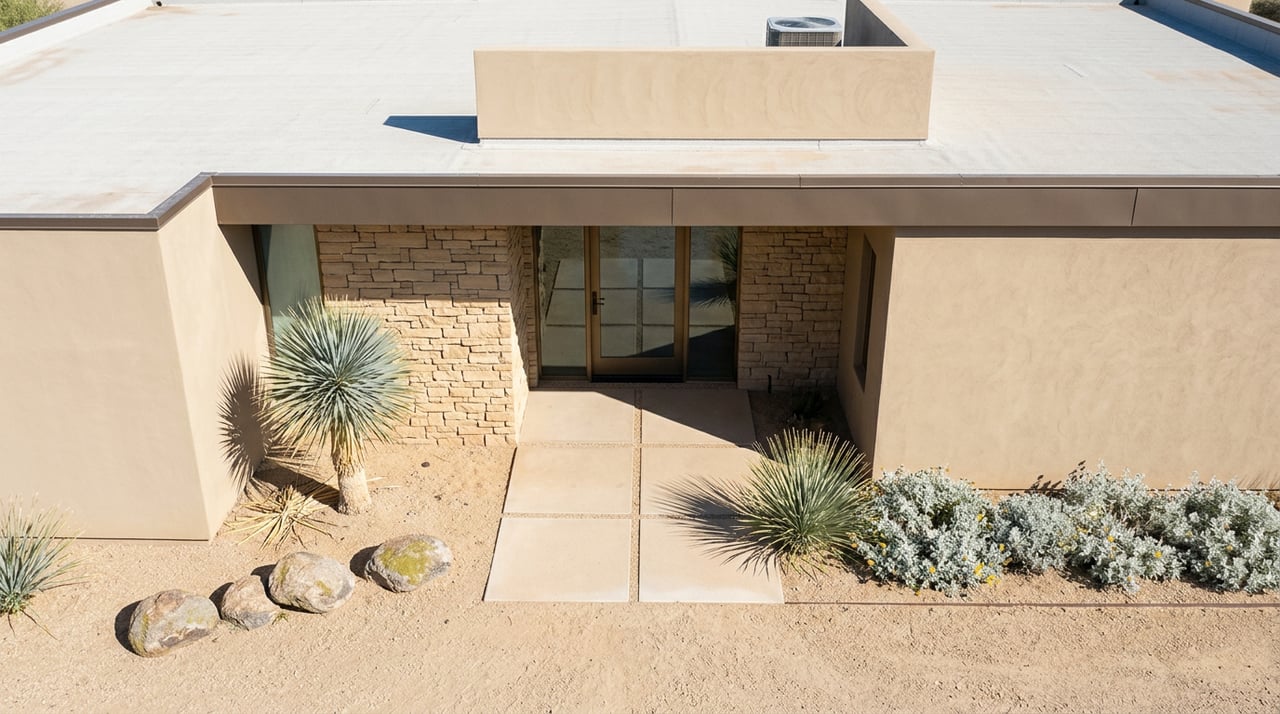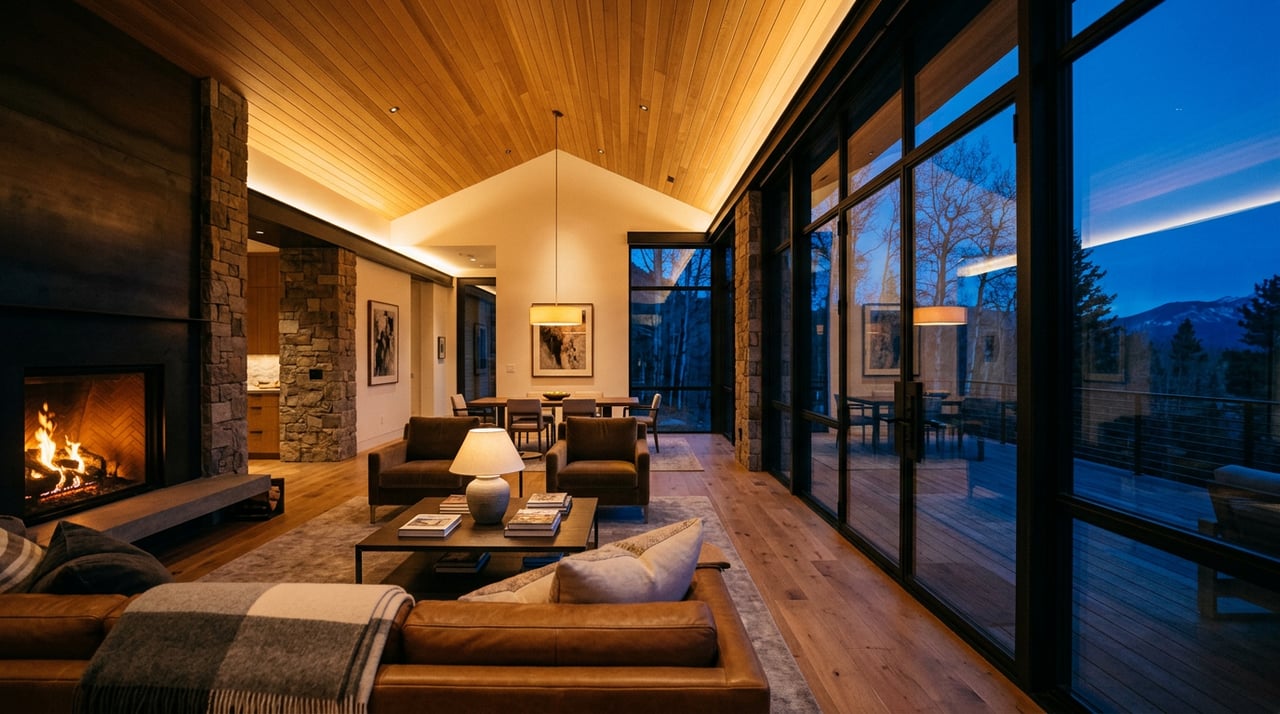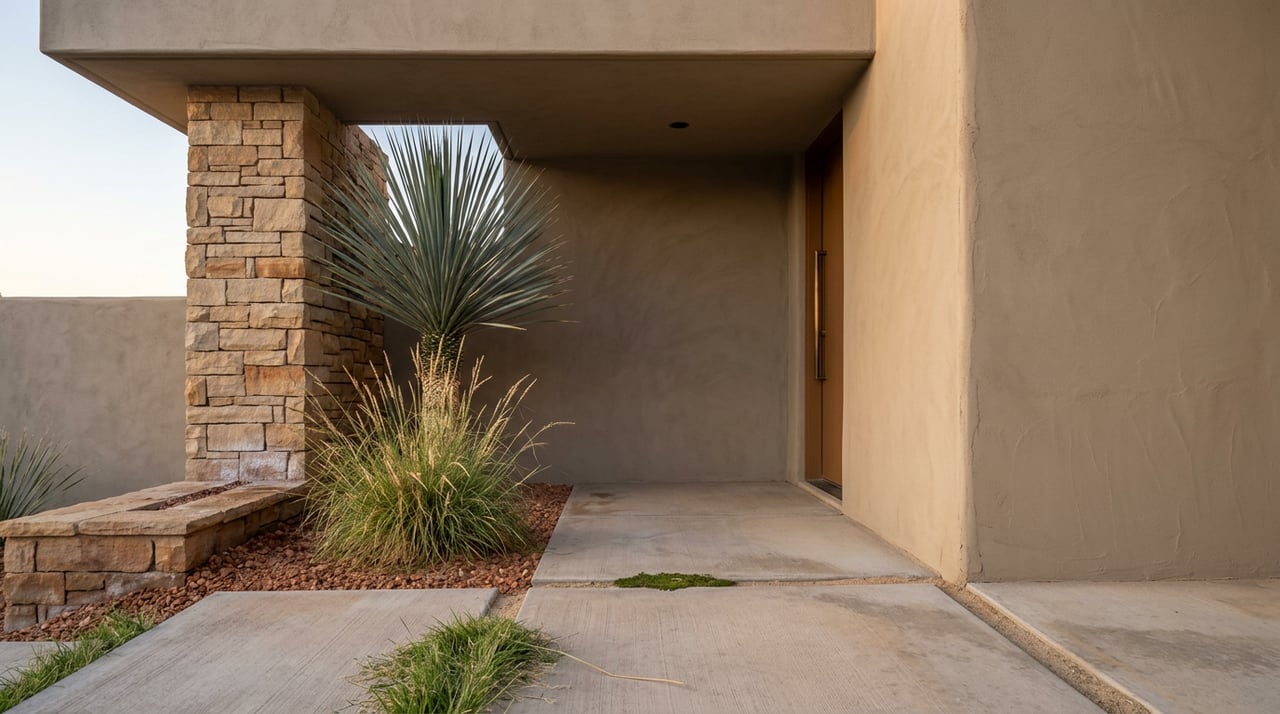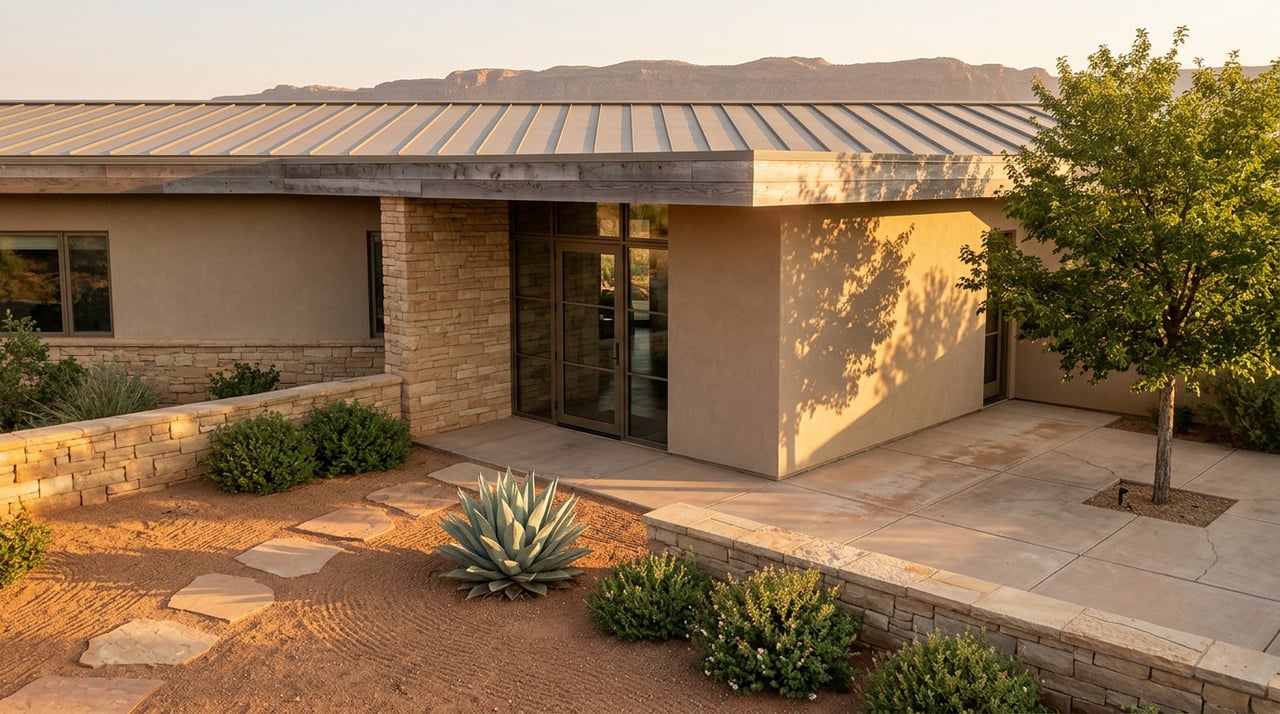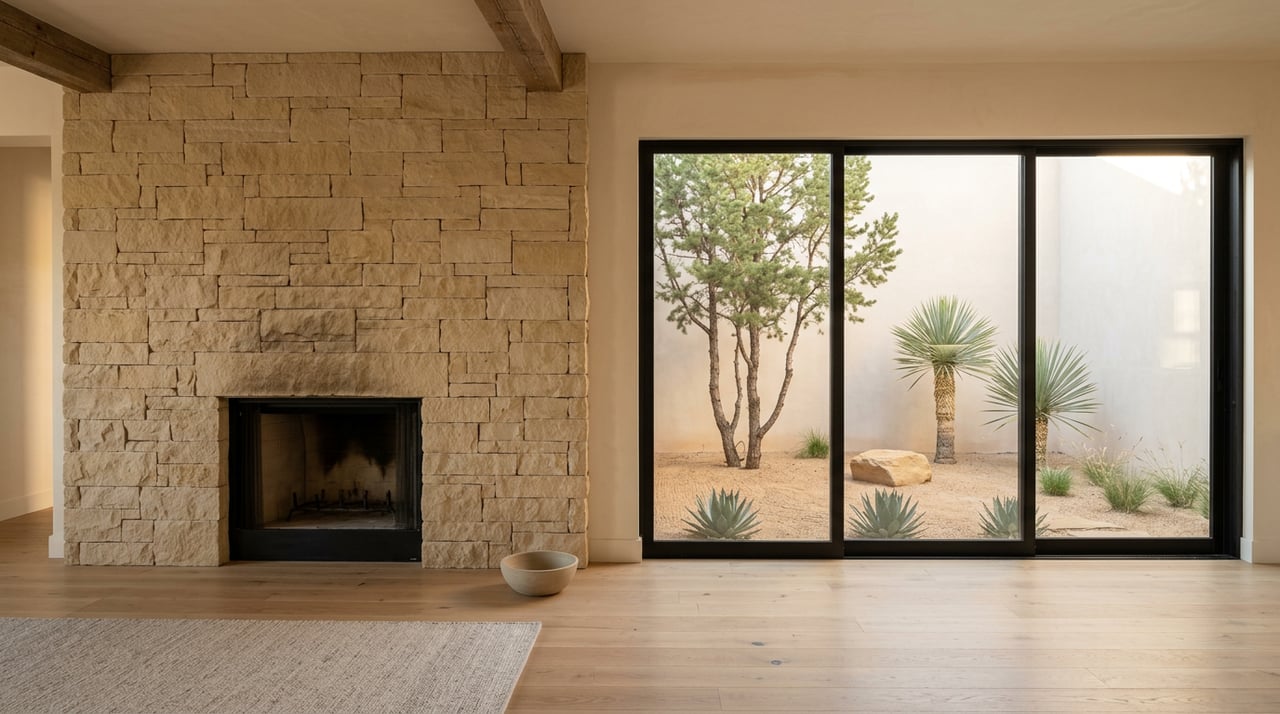
Pull up two Moab addresses side by side and the math stops making sense. One is a modest, in-town home a few blocks off Main Street. The other is a two-bedroom casita near Sand Flats Road that costs roughly three times as much. They sit minutes apart. Neither has a view the other lacks, and neither has meaningfully more square footage.
The gap isn't about the house. It's about what each address is legally allowed to become the day the seller hands over keys. One can be booked on Airbnb tonight. The other cannot, no matter what a hopeful listing description implies. That single fact, not the kitchen finishes, is doing most of the work in the price difference, and almost no buyer thinks to check it before they fall in love with a property.
The Ban Nobody Has Repealed
Moab's current rule is blunt. Under Moab Municipal Code 17.09.700, short-term rentals are prohibited across most of the city's zoning districts, including A-2, C-1, C-3, C-5, FW, I-1, R&D-1, R-2, R-3, R-4, and RA-1. That list covers the overwhelming majority of standard residential neighborhoods in town. If a house sits in one of those zones, converting it into a nightly rental is not a paperwork problem you can solve after closing. It's not a permitted use, period.
This wasn't always the rule. Moab put a temporary construction moratorium on new overnight accommodations in February 2019, and when that deadline arrived, the city council didn't let it expire quietly. It voted instead to adopt a new land-use code that removed overnight accommodations as a use in every zone, as the Salt Lake Tribune reported that summer. The stated reason was straightforward: three million annual visitors were straining roads, water, and sewer capacity faster than the city could keep up, and short-term rentals were eating into the housing stock residents needed to live in year-round. Getting a new overnight-accommodations use approved again would require the council to act, zone by zone, not a homeowner filling out a form.
That single 2019 decision is why the two nearby properties in our opening scenario can carry such different price tags. One of them is playing by a rulebook that closed to new entrants years ago.
The One Parcel That Got In Before the Door Closed
Lionsback Resort is the exception that proves how firm that door is. The 175-acre parcel was annexed into the City of Moab back in 2008, well before the citywide ban existed, and the city created a bespoke zoning category for it at the time: Sensitive Area Resort, or SAR. That designation specifically allows overnight rentals and accommodations, and because the entitlement was locked in before the later code changes, it survived them. The project's own developer, Invent Development Partners, has built out 188 single-family "casitas" under that grandfathered right, alongside a planned hotel component and employee housing.
Nothing about the casitas themselves creates the rental right. It's the zoning history attached to that specific 175 acres, approved back when Moab still allowed the use by right elsewhere in the city too.
Here's what that looks like when you set the two products side by side:
| Standard in-town Moab home | Lionsback Resort casita | |
|---|---|---|
| Zoning | Typically R-2, R-3, R-4, or RA-1 | Sensitive Area Resort (SAR) |
| Short-term rental legal? | No, prohibited under 17.09.700 | Yes, grandfathered from 2008 approval |
| How the right was obtained | N/A, not available in these zones | Pre-dates the citywide 2019 ban |
| Typical use case | Primary residence, long-term rental | Second home with nightly rental income |
Same city. Same zip code. Completely different legal product.
Outside City Limits, It's Rationed, Not Banned
Buyers sometimes assume that stepping outside Moab's city limits into unincorporated Grand County solves the problem. It doesn't remove it so much as change its shape. The county uses what it calls an Overnight Accommodations Overlay, or OAO, which functions as a case-by-case rezone rather than a blanket allowance. Under the county's land use code, a parcel has to be specifically designated with an OAO before overnight accommodations are permitted there, and the code caps how much can happen even when a designation is granted: density is limited to one accommodations unit per two and a half acres, and a single building used for overnight lodging tops out at 15,000 square feet and 35 bedrooms.
The county isn't shy about how selectively it applies this. In 2023, the Grand County Commission voted 4-3 to approve a 40-acre OAO rezone near Westwater Canyon off Interstate 70 for an astronomy-focused retreat with up to 16 lodging units, a decision reported by the Times-Independent. Commission Chair Mary McGann framed the approval as an exception, not a template, telling the paper the ordinance "wasn't going to be a stopgap with no flexibility." Translation for a buyer: getting new nightly-rental rights approved in the county is possible, but it's argued in front of elected officials one parcel at a time, and a split vote is the norm, not the outlier.
The Enforcement Problem Nobody Puts in the Listing
There's a second wrinkle that matters just as much for a buyer weighing a quieter, standard-zoned property. As of 2023 reporting, Utah state law barred local governments from restricting how a short-term rental is advertised online, which meant a city or county couldn't use an Airbnb or Vrbo listing as evidence in an enforcement case. Grand County Attorney Christina Sloan explained the practical effect of that rule to the Times-Independent when a bill aimed at closing the gap was introduced in the state legislature:
"The current law prohibits us from restricting advertising an overnight rental on a short-term rental website like AirBnB or VRBO."
Without that evidence, the county was left relying on neighbor complaints, which Sloan said were often insufficient to prove a violation in practice. Whether the legislature has since closed that gap is worth confirming with current county staff, but the underlying lesson for a buyer holds either way: zoning on paper and enforcement in practice are two different things, and a quiet R-zone street today is not a guarantee against a nightly rental moving in next door.
What the Premium Is Actually Paying For
Look at the sale prices with the zoning story in mind and the gap stops looking irrational. Citywide, Moab's median sale price sat at $669,000 in April 2026, on 153 closed sales that month. Lionsback's grandfathered casitas have traded in an entirely different range: recorded sales moved from a median of roughly $1,556,375 in May 2025 to $2,390,000 by November 2025, with new January 2026 listings priced at a median around $2,010,000.
Both product types are, on paper, comparable in size. Casitas at Lionsback run roughly 1,600 to 3,000 square feet, well within the range of custom-built homes elsewhere in Moab. What separates them isn't the build. It's that one comes with a legal, deeded right to generate nightly income and the other doesn't. A buyer comparing the two on price per square foot alone is comparing a primary-residence asset to an income-producing one, and that distinction, not finish quality, is what the premium is actually buying.
Before You Write an Offer
If short-term rental income is part of your plan, verify these before you're under contract, not after:
- The current zoning designation on the specific parcel, not the general neighborhood reputation
- Whether that zoning permits overnight accommodations outright, or whether the right depends on a grandfathered approval that predates a later code change
- If the property sits in unincorporated Grand County, whether an Overnight Accommodations Overlay has actually been approved for that parcel, since OAO status doesn't apply county-wide
- If you're buying into a resort community, the CC&Rs governing how and whether you can rent independently of an on-site management program
FAQ
Can I apply to add short-term rental rights to a home I already own in most Moab neighborhoods? Under the current code, standard residential zones like R-2, R-3, R-4, and RA-1 don't have overnight accommodations listed as a permitted use, and the city removed that use from those zones citywide rather than leaving a case-by-case application path open.
Does buying in unincorporated Grand County guarantee more flexibility? Not automatically. The county requires a specific Overnight Accommodations Overlay approval tied to the parcel itself, and recent decisions show that approval is granted selectively, often by a divided vote, rather than as a general allowance across county land.
If a listing says a property is "grandfathered" for nightly rentals, what should I confirm? Ask for the specific zoning designation and the date it was approved, and confirm in writing that the right transfers with the deed rather than requiring a fresh application after the sale closes.
Zoning history like this rarely shows up in a listing description, and it's exactly the kind of detail that determines whether a Moab property performs as a primary home, a long-term rental, or a nightly income asset. If you're comparing options across Moab and want to know what a specific parcel is actually entitled to do, Nikole Andersen Real Estate can walk through the zoning history with you before you write an offer. Contact Nikole for a complimentary market consultation.