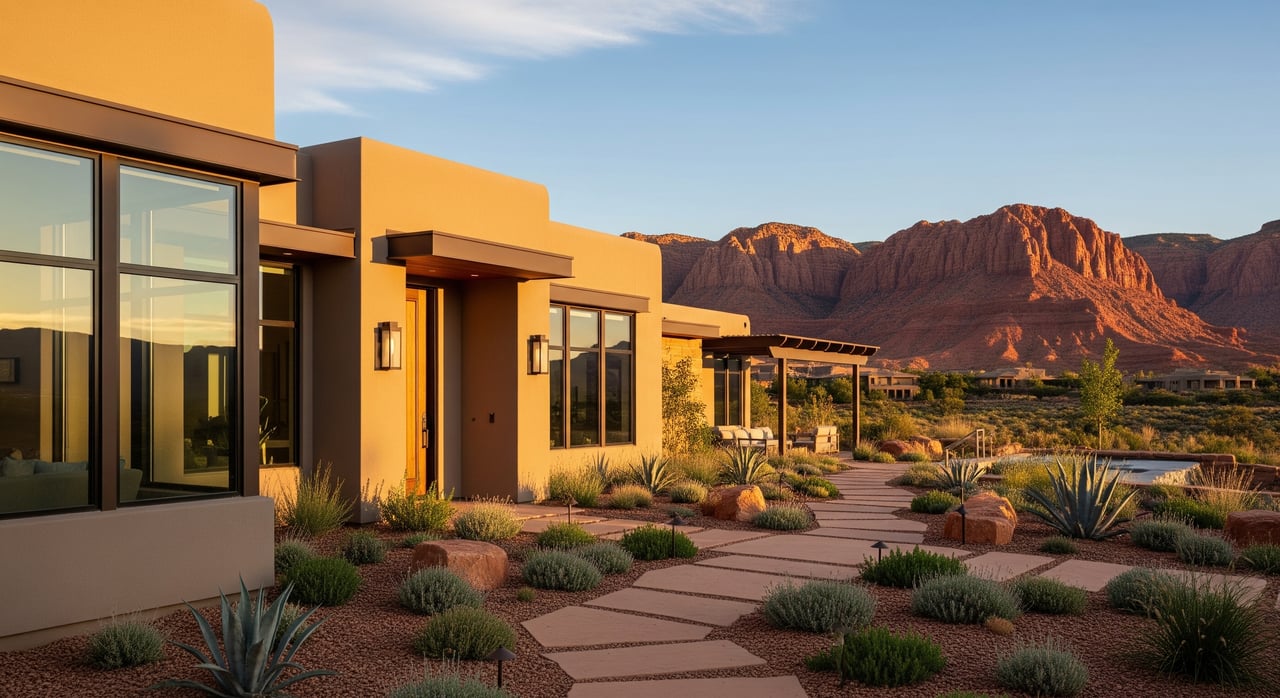
Buying your first home in St. George is exciting, and it can feel like a lot to manage. You want clear steps, realistic timelines, and local context so you can make confident decisions. In this guide, you will learn how the process works in Washington County, what costs to expect, and what to watch for in this desert market. Let’s dive in.
St. George market basics
St. George has grown quickly thanks to in-migration, retirees, and remote workers. That growth supports steady housing demand across many price points. Inventory can tighten at times, and you may see multiple offers in popular neighborhoods and price bands. Activity often rises in spring and early summer, while winter can be calmer, though desirable homes still move.
The bottom line for you is simple. Be prepared, be decisive, and anchor your plan to current lender and title timelines. Negotiating norms can shift with interest rates and inventory, so stay flexible.
Your step-by-step path
Get pre-approved
Start with a written lender pre-approval, not just a quick prequalification. A full pre-approval can take 1 to 7 days depending on how fast you provide documents. This sets your budget and strengthens your offer.
Choose your agent and areas
Work with a buyer’s agent who explains documents clearly and keeps timelines tight. Outline your must-haves and nice-to-haves by neighborhood type, commute needs, and HOA preferences. Your agent will watch new listings and help you compare options objectively.
Search and tour
Your search can take weeks or months depending on inventory and your criteria. Ask for video walk-throughs if you are out of town. Keep a short list of favorites so you can act when the right home appears.
Write and negotiate
Offers are often reviewed within 24 to 72 hours. Discuss terms like price, earnest money, inspection length, and any escalation strategy with your agent. Strong communication and clean terms help you stand out without overextending.
Deposit earnest money
Once your offer is accepted, you will deposit earnest money with the title or escrow company. This shows good faith and is typically credited to you at closing if you complete the purchase. The contract outlines how and when funds can be released if you cancel under allowed contingencies.
Complete inspections and due diligence
Plan for a 7 to 10 day inspection window unless you negotiate a different period. Order a general inspection and any specialty inspections your property may need. Use findings to request repairs or credits, or to confirm you are comfortable moving forward.
Appraisal and underwriting
Your lender orders the appraisal, which commonly reports back within 7 to 14 days. Full underwriting often takes 2 to 4 weeks from acceptance. If the appraisal value is lower than your purchase price, you and the seller may negotiate a price change, you may bring more cash, or your lender may review a reconsideration request.
Closing day
Most resale transactions in St. George close within 30 to 45 days from acceptance. You will sign final loan and title documents, the loan will fund, and your deed will be recorded with Washington County. You receive keys when the transaction funds and records.
After closing
Set up utilities, review any builder or home warranties, and complete HOA onboarding if applicable. Track deadlines for warranty claims or final touch-ups. Keep inspection reports and closing documents organized for future reference.
Money basics
Earnest money
Customary earnest money varies with price point and competition. In balanced conditions, modest deposits can work; in stronger markets, you may see deposits up to 1 to 3 percent of the price to show strength. Your earnest money is usually credited to you at closing or returned if you cancel within allowed contingencies.
Loan options
First-time buyers often compare conventional loans, FHA loans, and VA or USDA loans if eligible. Down payments range widely, with some programs allowing low down payments. Ask your lender about Utah Housing Corporation programs for potential down payment assistance and current eligibility rules.
Closing costs
Plan for lender fees, title insurance, escrow charges, and prorations for taxes and HOA dues. Closing costs can vary, often around 2 to 5 percent of the loan amount. Add reserves for moving, initial maintenance, and any HOA initiation fees.
Inspections and due diligence
What to inspect
A general home inspection is your foundation. Add pest inspections, plus roof, chimney, septic, or well inspections if relevant. In the desert climate, pay attention to HVAC performance, roof condition, stucco or exterior finishes, and UV wear on windows and systems.
Utilities and water
Confirm water source and any rights or usage limits. Test irrigation systems and evaluate landscaping for water efficiency. Verify utility providers, internet access, and service timelines, especially on the outskirts or in new subdivisions.
Inspection checklist
- General home inspection report with photos and estimates
- Pest inspection if recommended by your inspector
- Roof, HVAC, and sewer line checks when appropriate
- Irrigation and landscaping systems, including timers and drip lines
- Water source details and any water rights documents
- Insurance quotes that consider wildfire and flood risk
New construction tips
Builder contracts differ from resale contracts, so read every clause closely. Review allowances, timelines, default terms, and any change-order pricing. Many builders provide tiered warranties, such as 1-year workmanship, 2-year systems, and 10-year structural, but coverage varies.
Independent inspections add value on new homes too. Consider pre-drywall and final inspections to catch issues early. Ask your lender about permanent financing at completion versus construction financing, and confirm how closing dates track to the build schedule.
Questions to ask a builder
- What is the warranty coverage by year and system?
- What is included in base price versus an upgrade?
- How are change orders priced and approved?
- What is the target completion date and delay policy?
- Are there any special assessments or HOA costs during build-out?
HOA essentials
Planned communities are common in and around St. George. Before you buy, review the HOA rules, fees, and financial health. Pay attention to reserves, special assessment history, and rental or pet policies.
HOA document checklist
- CC&Rs, bylaws, and rules and regulations
- Most recent budget and reserve study
- Recent meeting minutes and any pending assessments
- Resale certificate with fee schedule and account status
- Architectural guidelines and landscaping standards
- Short-term rental rules and enforcement policies
Local factors to check
Water and landscaping
Water conservation matters in southern Utah. Some communities encourage or require low-water landscaping and efficient irrigation. Ask about any turf limits, incentives, or rules that affect your plans.
Wildfire and flood risk
Many neighborhoods touch desert foothills, so create defensible space where required and confirm insurance costs. Review floodplain maps and drainage patterns. Lenders may require flood insurance for homes in designated zones.
Permits and additions
If you plan to remodel, confirm permit history and required approvals. St. George City handles in-city permits, while Washington County handles unincorporated areas. Verify setbacks, height limits, and HOA architectural rules before you commit to a project.
Sample timelines
- Pre-approval: 1 to 7 days, depending on how fast you supply documents.
- Offer response and acceptance: often 24 to 72 hours.
- Inspections and due diligence: commonly 7 to 10 days.
- Appraisal and underwriting: often 2 to 4 weeks.
- Closing on resales: typically 30 to 45 days from acceptance.
New construction timelines depend on the build schedule and can extend several months. Your lender and builder will outline their specific milestones.
Smart first-offer strategy
Work with your agent to match offer terms to current conditions. In tighter markets, a larger earnest deposit or a shorter inspection window can help your offer stand out while still protecting your interests. Stay within your budget, keep contingencies clear, and be ready to move fast when the right home appears.
Ready to start?
You deserve a calm, well-managed buying process with clear communication at every step. If you want boutique, hands-on guidance backed by a trusted national brand, we are here to help you navigate St. George with confidence. Reach out to schedule a planning call with Nikole Andersen Real Estate.
FAQs
How much earnest money do first-time buyers in St. George need?
- It depends on competition and price point; modest deposits can work in balanced markets, while stronger conditions may call for deposits closer to 1 to 3 percent to strengthen your offer.
How long should my inspection period be in St. George?
- A 7 to 10 day window is common, and you can request more time if you need specialty inspections like roof, sewer, or well and septic.
What down payment help is available in Utah?
- Some buyers may qualify for programs through the Utah Housing Corporation or local agencies, but availability and terms change, so confirm current options with your lender.
What should I review in HOA documents before buying?
- Focus on the budget and reserves, rules on rentals and pets, assessment history, maintenance duties, and any pending litigation or special assessments.
Should I buy new construction or a resale in St. George?
- New construction offers customization and builder warranties but longer timelines and builder contracts; resales may close faster with full inspections and clear comparables.
What local risks can affect insurance and costs?
- Drought-related water rules, wildfire exposure near desert foothills, and floodplain status can influence insurance premiums and maintenance planning.